AI SHORT FILM
THE RAIN
By JM Blay
“THE ARTIST TO-DAY IS THE LEADER OF AN ORCHESTRA, WHERE HE ONCE WAS A STAR PERFORMER.”
Frank Lloyd Wright (1901)
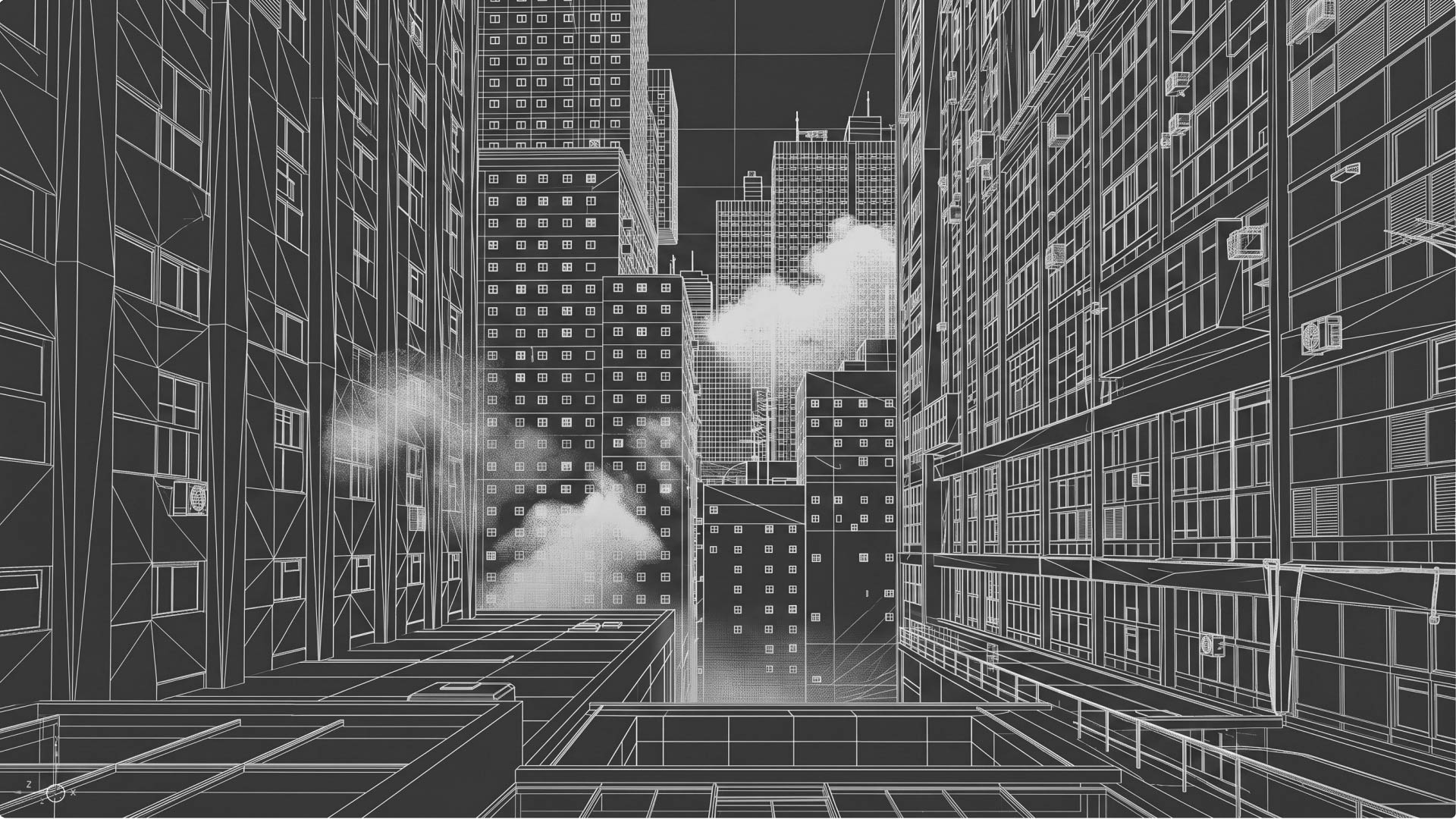
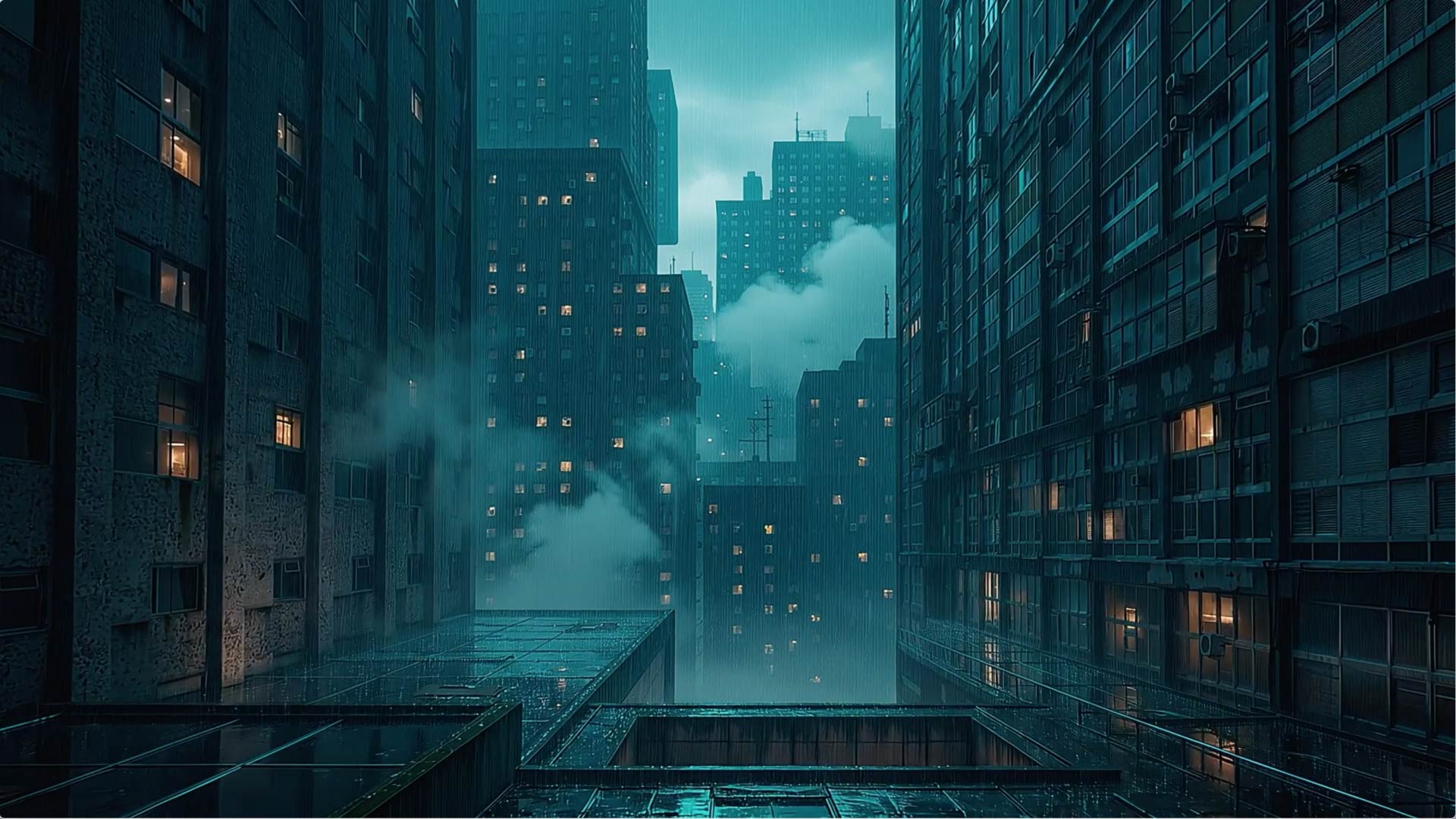
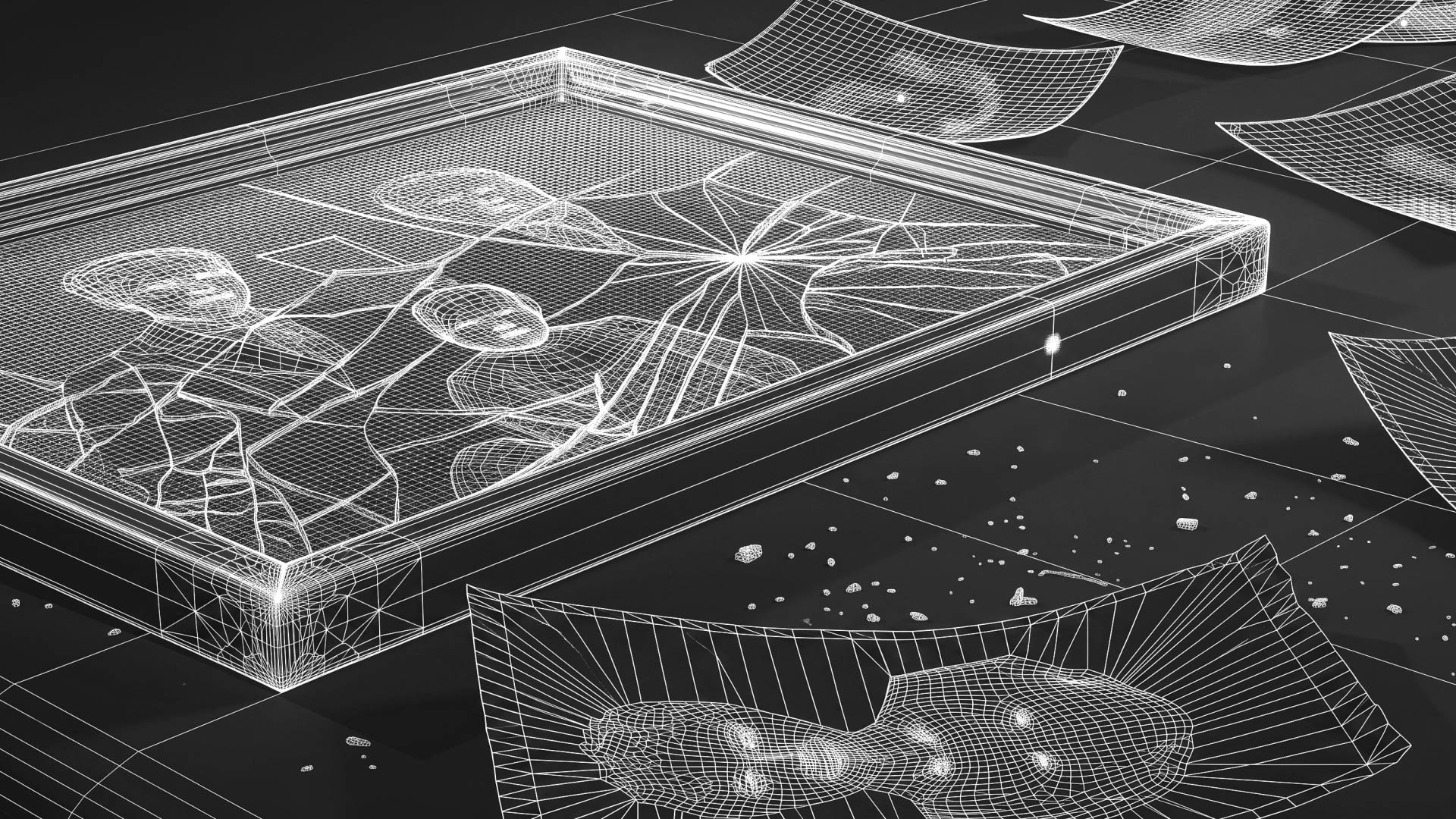
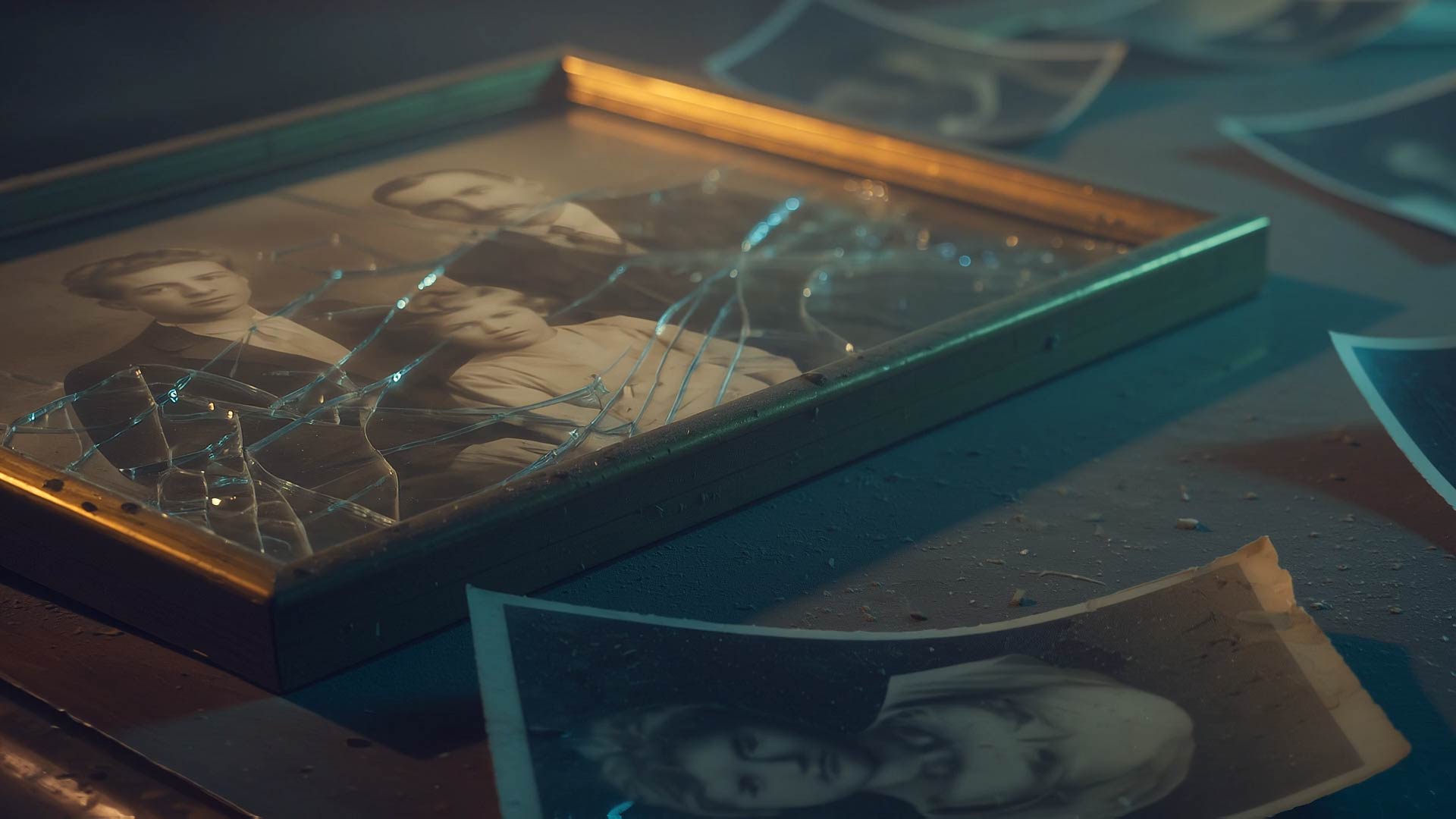
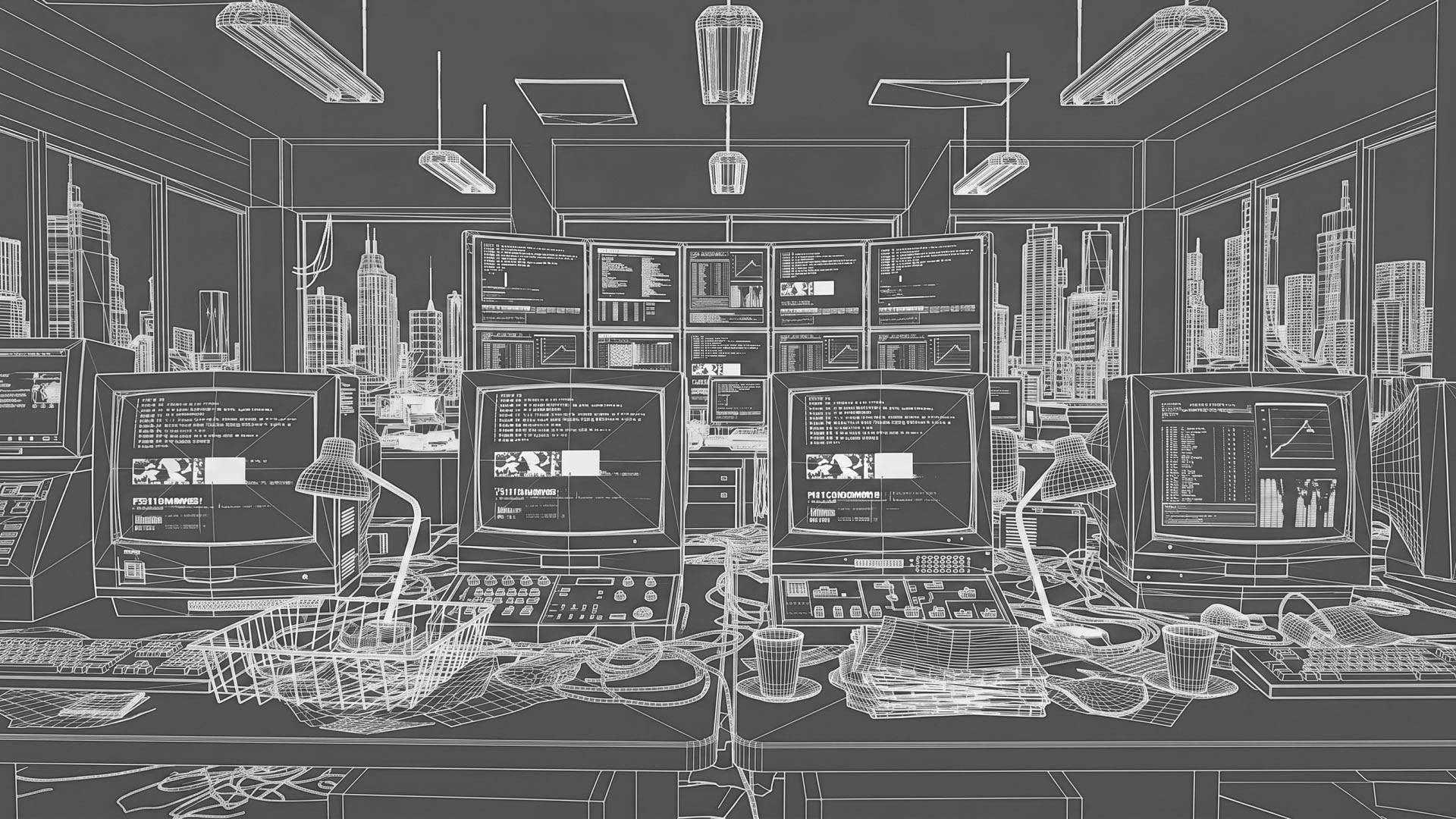
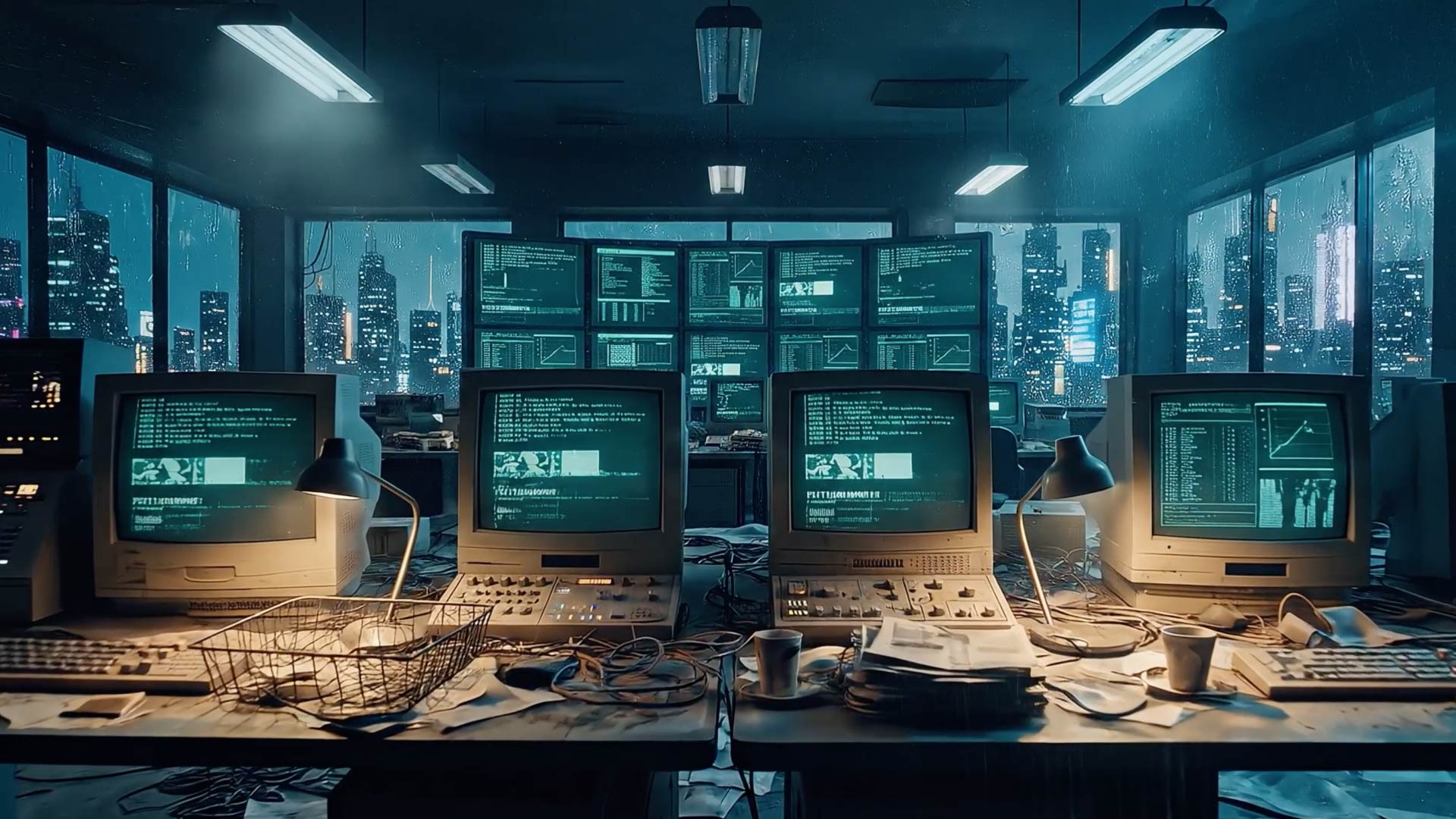
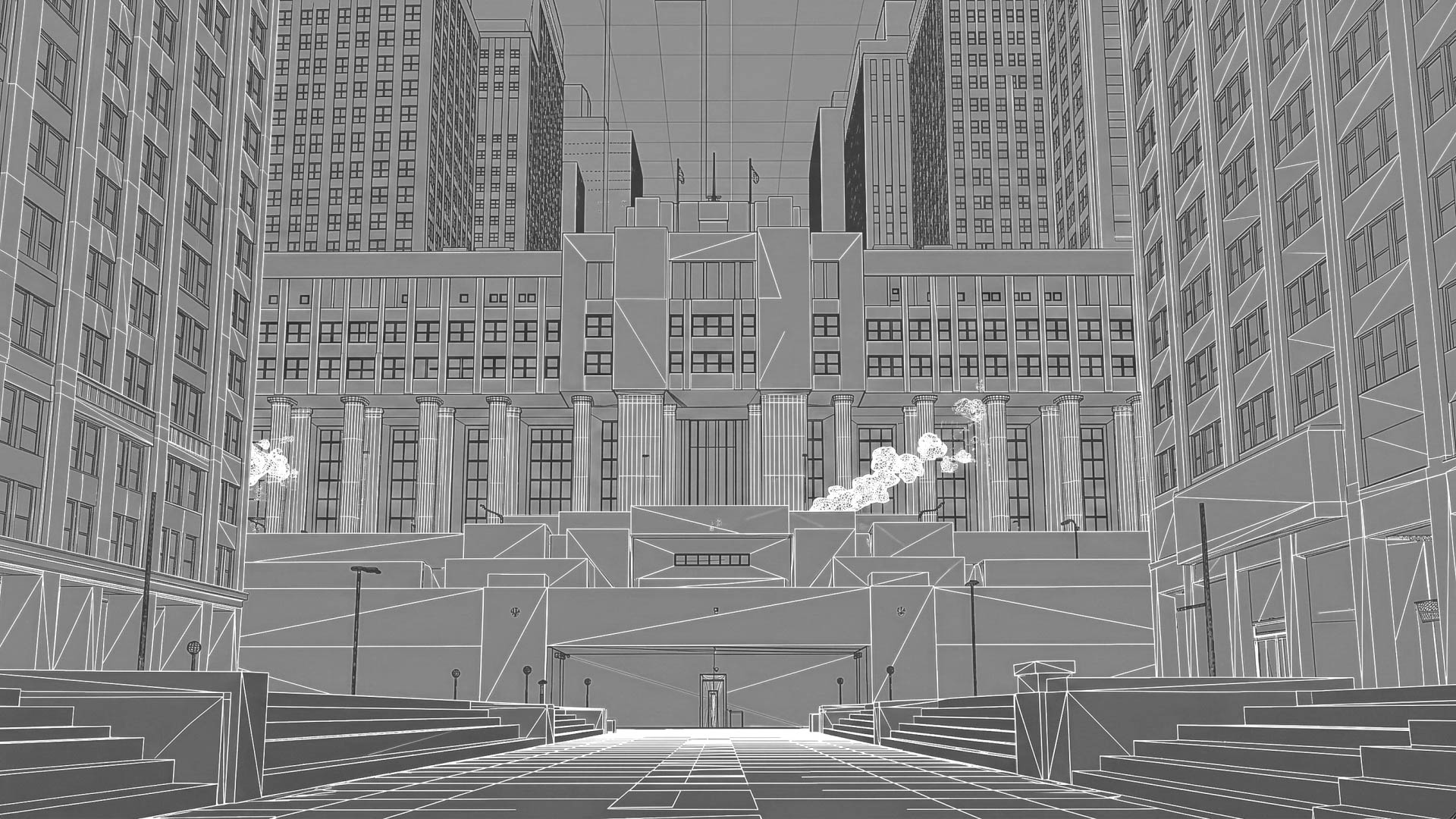
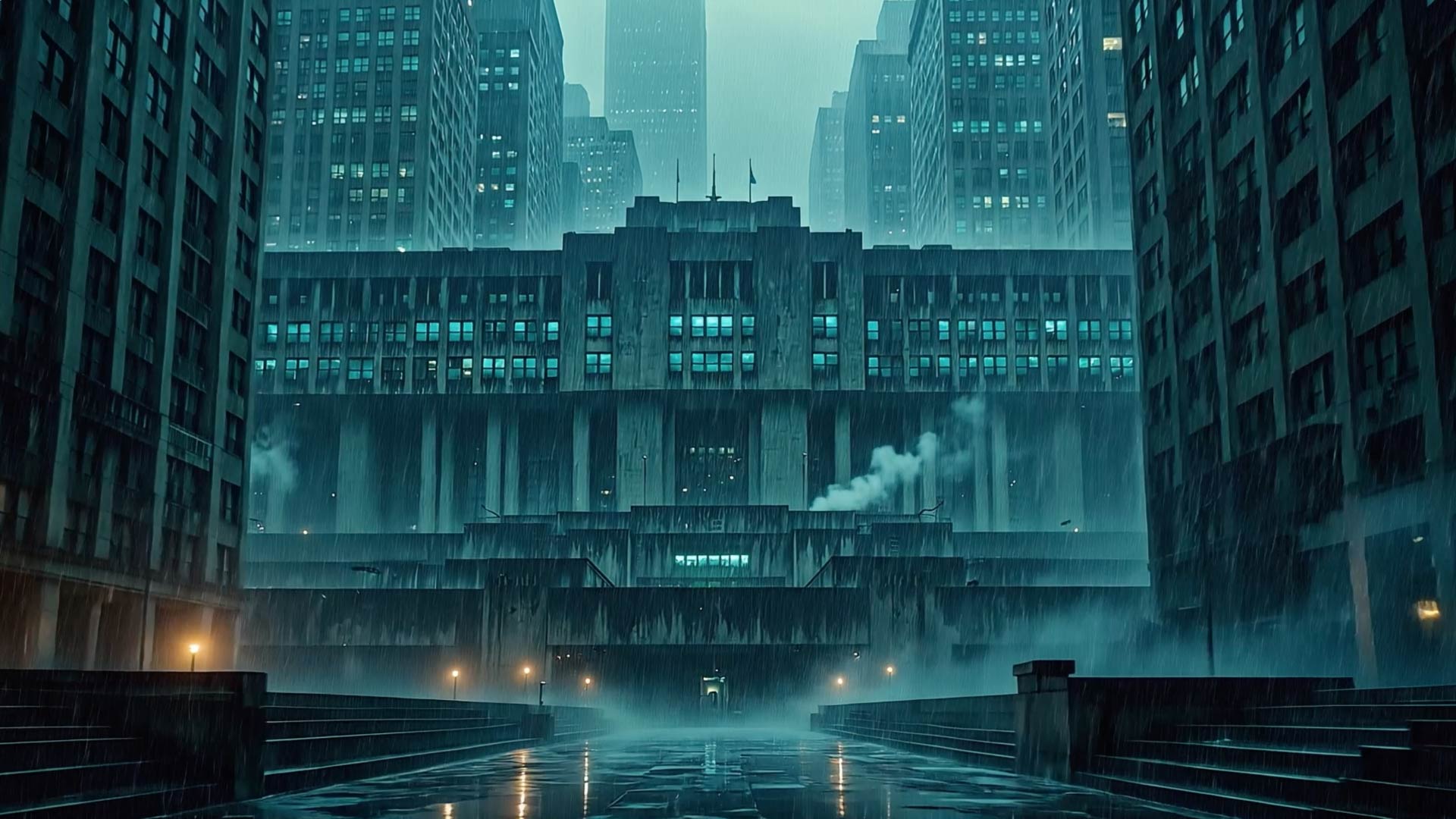
These before and after images were also created entirely with AI. The “before” images are fictional 3D breakdowns and were not part of the actual production process. But they do make this look more like a proper making of.
THE PROCESS
THE RAIN started almost by accident. I was experimenting with Adobe Firefly, trying to create a specific visual for a single frame, just for fun. There was no film, script or storyboard. But that first experiment suggested a world, and I wanted to see how far I could take it.
The images started to influence the ideas, and the ideas started to influence the images. A visual language emerged, then a story, a voice and eventually a film of more than 75 shots. The project became an experiment in using generative AI as part of the entire production pipeline, from visual development and animation to voice, music and sound.
What surprised me most was that being able to generate almost anything didn't make the creative process easier. Generating possibilities was easy. Getting something specific was not. Consistency, movement, performance, selection and iteration required constant creative direction.
The story reflects some of the same questions behind the process. THE RAIN is about humanity's confidence in the systems and technologies we create, and what happens when that confidence meets something we cannot control. The title contains that relationship too: inside RAIN is AI.
The film was created entirely by me in two weeks.
THE PIPELINE:
Adobe Firefly was at the centre of the generative pipeline. I used its tools for image generation and editing, animation, voice-over, music and sound effects. The generated material was then brought into Adobe After Effects for editing, compositing and sound editing, with the final audio mix completed in Adobe Audition.
ORIGIN: IDEA
AI (FIREFLY): FIREFLY STYLEFRAMES → VISUAL WORLD → STORY / VO → VEO 3.1 → VOICE → MUSIC → SOUND DESIGN
AFTER EFFECTS / AUDITION: EDIT → COMPOSITING → SOUND EDIT → FINAL MIX
I used approximately 51K FIREFLY GENERATIVE CREDITS over TWO WEEKS to create more than 75 SHOTS for the final film.
But the process was not truly linear. Each stage influenced the others.
THE CREATIVE DIRECTOR
The tools generated the material, but I made all the creative decisions.
I decided what the film should look like, what it should say, which generations worked, how the shots connected, how the voice should sound, how the music should feel, what sounds belonged in each scene and when the film was finished.
AI generated the possibilities. I directed the film.
“EVERYONE IS EQUAL BEFORE THE MACHINE. I CAN USE IT, SO CAN YOU. IT CAN CRUSH ME; THE SAME CAN HAPPEN TO YOU.”
László Moholy-Nagy (1922)
01. VISUAL DEVELOPMENT
I created the first styleframes in Firefly, experimenting with prompts until I found the visual language I wanted.
I then used the generated images as references for new generations and kept key parts of the prompts consistent. I also used Firefly's Edit Image functionality to refine and develop the visuals.
The main challenge was consistency: getting different generations to feel like they belonged to the same world.
02. ANIMATION
The styleframes became the starting point for the animation.
I animated the shots in Firefly using Veo 3.1, creating strong, specific prompts and usually generating around 4 to 5 versions per shot before selecting the result I wanted.
With more than 75 shots, this became a continuous process of generation, selection and refinement.
03. STORY & VOICE-OVER
The story and visuals developed together rather than following a fixed script.
I wrote and refined the voice-over with ChatGPT and Claude while continuing to develop the images. The visuals suggested narrative ideas, and the narrative created the need for new images and shots.
Once the text was ready, I used Firefly Generate Speech to create the voice, experimenting with different tones and performances before finding the one that worked with the film.
I directed the accent, rhythm, pauses and intonation of the final performance.
04. MUSIC & EDIT
I generated the music in Firefly, experimenting with different prompts until I found the right direction.
I then edited and adapted the music to the voice-over in After Effects and built the picture edit around it.
The edit itself was also part of the creative process. When a shot didn't work within the sequence, I went back and generated it again.
The process was never completely linear. The images affected the story, the voice affected the music, the music affected the edit, and the edit often sent me back to generation.
05. SOUND DESIGN
Once the picture was established, I created the sound design using Text to Sound Effects and Voice to Sound Effects in Firefly.
I generated individual elements such as rain, drops, thunder and other environmental sounds, then layered, timed and edited them in After Effects.
The final audio mix was completed in Adobe Audition.
06. THE TITLE
The title itself became another process of experimentation.
THE RAIN refers directly to the world of the film, but it also contains something else:
R(AI)N
The “AI” is literally inside the title.
I explored around 40 different title designs in Firefly before finding the direction I wanted, then refined the final design in Photoshop.
For the film, I wanted the hidden “AI” within the word to reveal itself for an instant.
In After Effects, I pushed the contrast of the original plate until I had a black-and-white image, isolated the exact text I wanted with a mask and used the resulting image as another mask to create the glow effect.
The reveal was then synchronised with the sound of thunder.
AI DOESN'T ALWAYS GET IT RIGHT
Generating images is easy. Getting exactly what you want is much harder.
Throughout the process I generated plenty of images and animations that were completely unusable. Impossible movements, distorted objects and unexpected interpretations were all part of the process. Knowing what to reject became as important as knowing what to keep.
“I THINK I’M EXTINCT.”
Phil Tippett (1992)
(When watching the first computer-generated dinosaur for Jurassic Park)
MORE INFO ABOUT ME: WWW.JMBLAY.COM
CONTACT: HELLO@JMBLAY.COM