PROOF OF CONCEPT
THE RAPTURE OF EUROPE
By JM Blay
“Two women strove for me in dream, Asia and the other, a stranger. The first claimed me as her child, the other said Zeus would give me to foreign lands.”
Moschus, Europa.
The Rapture of Europe by JM Blay revisits one of antiquity’s most enduring myths: the abduction of Europa by Zeus, disguised as a bull: and reimagines it as a metaphor for an entire continent. In this reworking, it is no longer a princess who is seduced and carried away, but Europe itself: a symbolic body entangled in questions of politics, identity, and cultural memory.
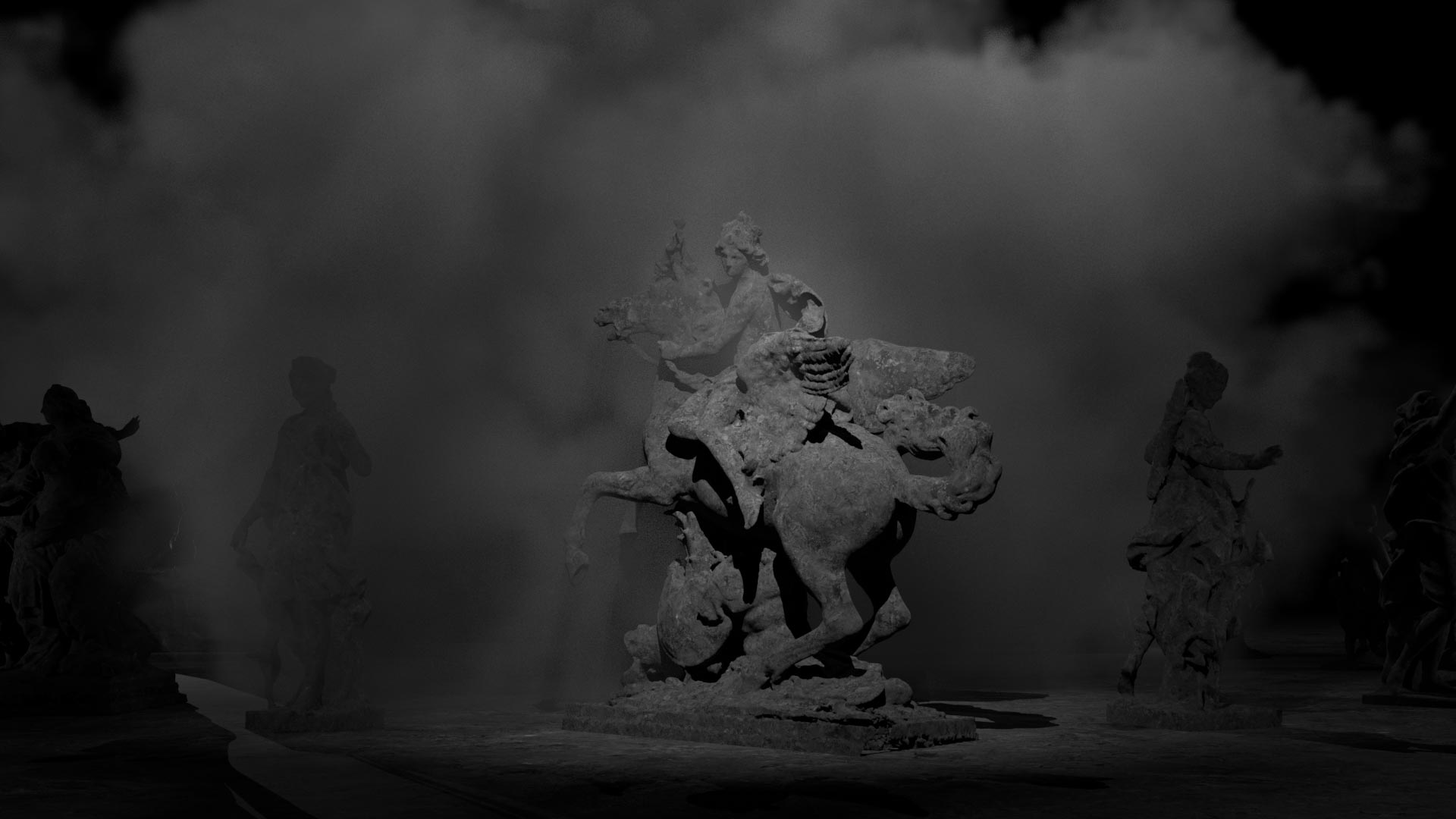
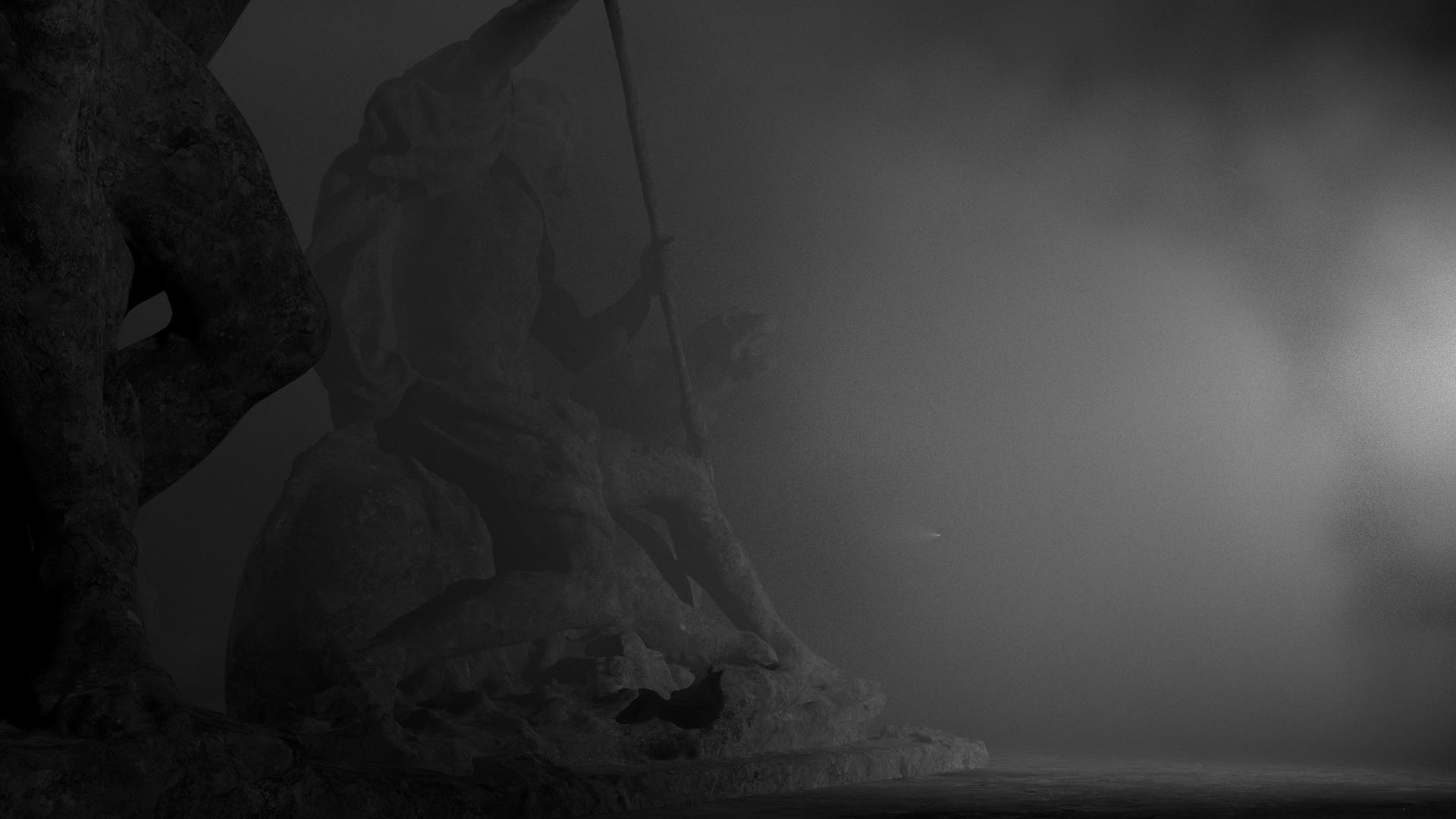
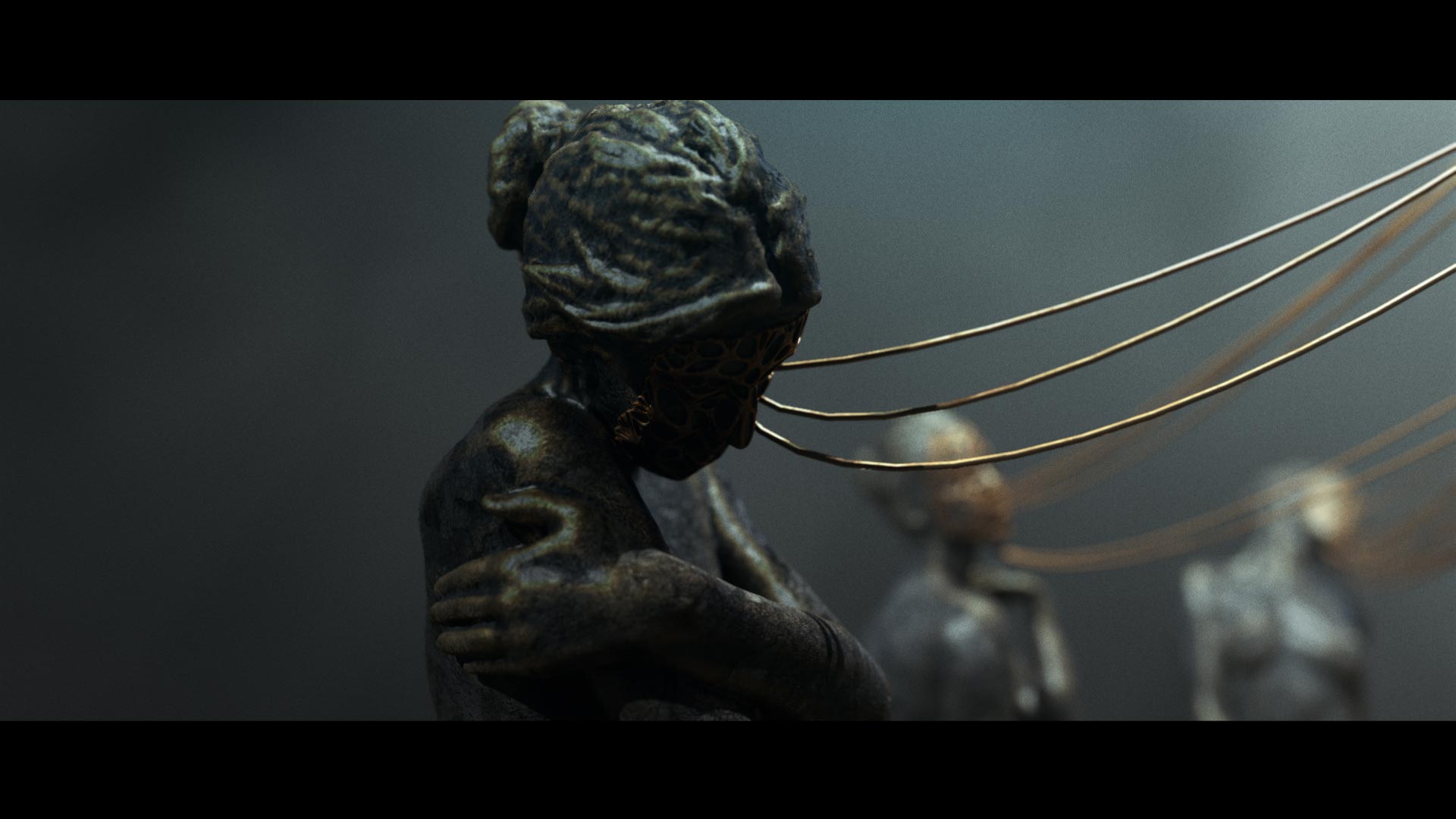
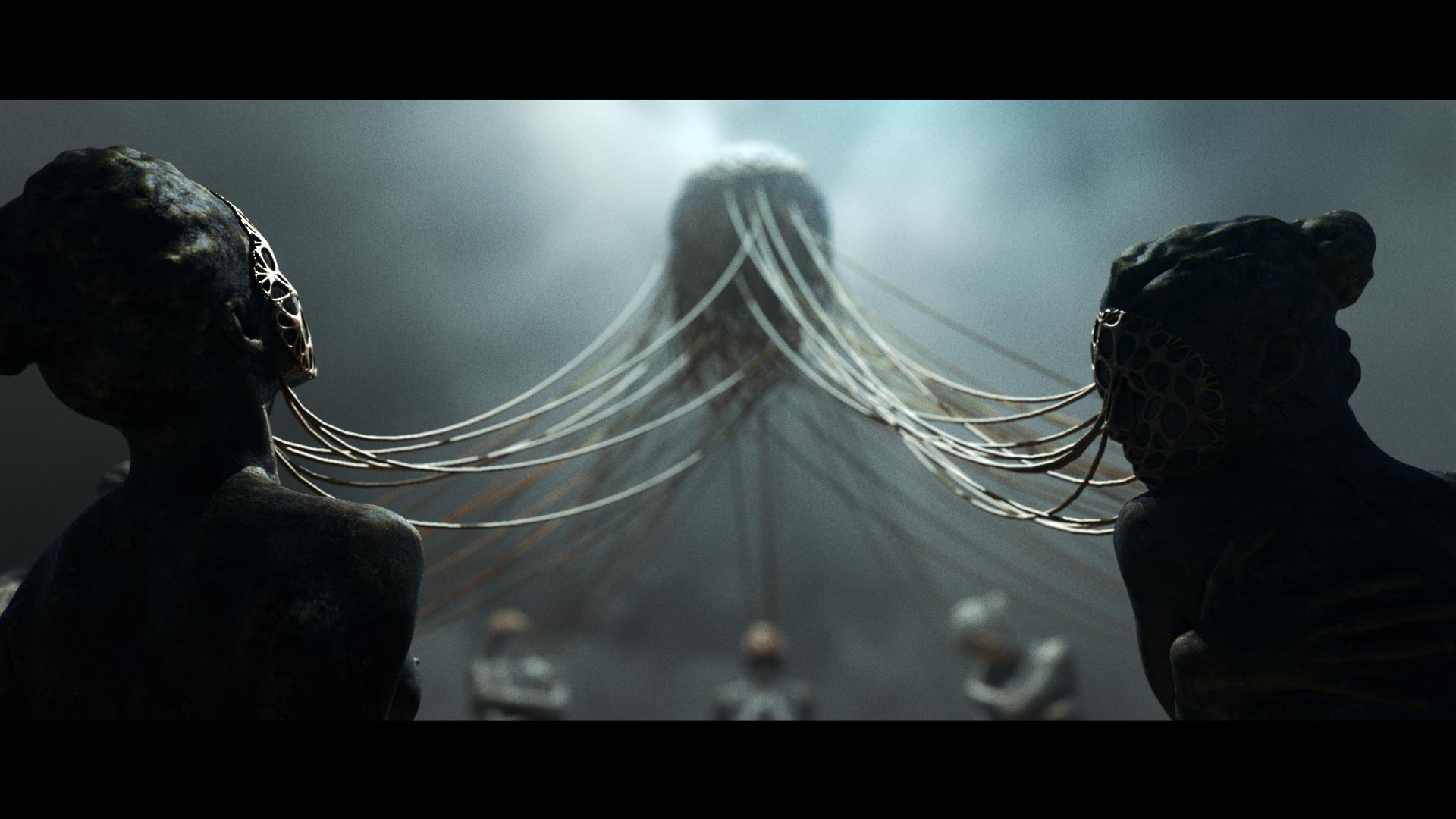
The work unfolds through a sequence of interconnected visual tableaux: offering a fragmented, non-linear journey. Though the imagery remains figurative, its progression follows a lyrical, almost dreamlike rhythm: eschewing narrative clarity for emotional and symbolic resonance. This evocative procession is accompanied by a reinterpreted musical motif: a melancholic transformation of the European anthem rendered in a minor key, shifting the tone from triumph to elegy.
Drawing on a rich lineage of artistic responses to the myth: from classical vase painting to the works of Titian and Rembrandt:
Blay turns the gaze away from the mythic heroine and onto the continent itself. His Europe is at once seduced and complicit, dominant and vulnerable: a birthplace of art and thought now fractured by questions of migration, sovereignty, and cultural disintegration.
Designed to adapt to various environments, The Rapture of Europe can be experienced in multiple forms: as a linear visual narrative, a series of spatial compositions, or as a contemplative, immersive setting. Each version invites the viewer to assemble meaning from fragments, prompting the enduring question: what does it mean, today, for Europe to be “raptured”?
Blay resists offering conclusive interpretations. Instead, he constructs a space of ambiguity and introspection: where myth and present-day reality converge. The Rapture of Europe becomes not a retelling but a reawakening: an allegory for a continent at once bewitched, imperiled, and irrevocably altered.
“The royal maiden, not knowing on whom she was sitting, was even so bold as to climb on the back of the bull. As the god very slowly inched from the shore and the dry land, he planted his spurious footprints deep in the shallows. Thus swimming out farther, he carried his prey off into the midst of the sea.”
Ovid, Metamorphoses.
“And gradually she lost her fear, and he offered his breast for her virgin caresses, his horns for her to wind with chains of flowers until the princess dared to mount his back, her pet bull’s back, unwitting whom she rode. Then, slowly, slowly down the broad, dry beach… in the open sea he bore his prize.”
Ovid, Metamorphoses.
The myth of Europa is one of seduction, transformation, and displacement. Zeus, taking the form of a bull, abducts the Phoenician princess and carries her across the sea. This image has fascinated artists for millennia, from Greek pottery to Renaissance painting to modern reinterpretations. In The Rapture of Europe, JM Blay takes this myth as his starting point but shifts its focus. His subject is not Europa the maiden, but Europe the continent: seduced, fragmented, and vulnerable to forces beyond its control.
Blay’s installation is composed of a central projection accompanied by eight looping video chapters. Each chapter functions as a fragment of a larger allegory, inviting viewers to move between moments of recognition and disorientation. The narrative is not linear but poetic, assembled through juxtaposition and resonance. The visual language is entirely figurative, yet its meaning is layered and open-ended, more akin to dream or memory than to story.
Sound plays a crucial role. A bespoke ambient composition fills the space, anchored by a haunting reworking of the European anthem in minor tones. What is usually heard as triumphant becomes mournful, underscoring the themes of loss, vulnerability, and transformation. This sonic landscape envelops the viewer, binding together the fragments into an immersive environment.
In reimagining Europa’s abduction as the rapture of Europe itself, Blay engages both history and politics. The continent once hailed as the cradle of democracy, philosophy, and humanist ideals is here seen under duress: seduced by ideologies, fragmented by internal divisions, unsettled by migration and loss of sovereignty, and commodified in culture and politics alike. Myth becomes a mirror for the present. The abduction of Europa becomes a metaphor for the abduction of meaning itself.
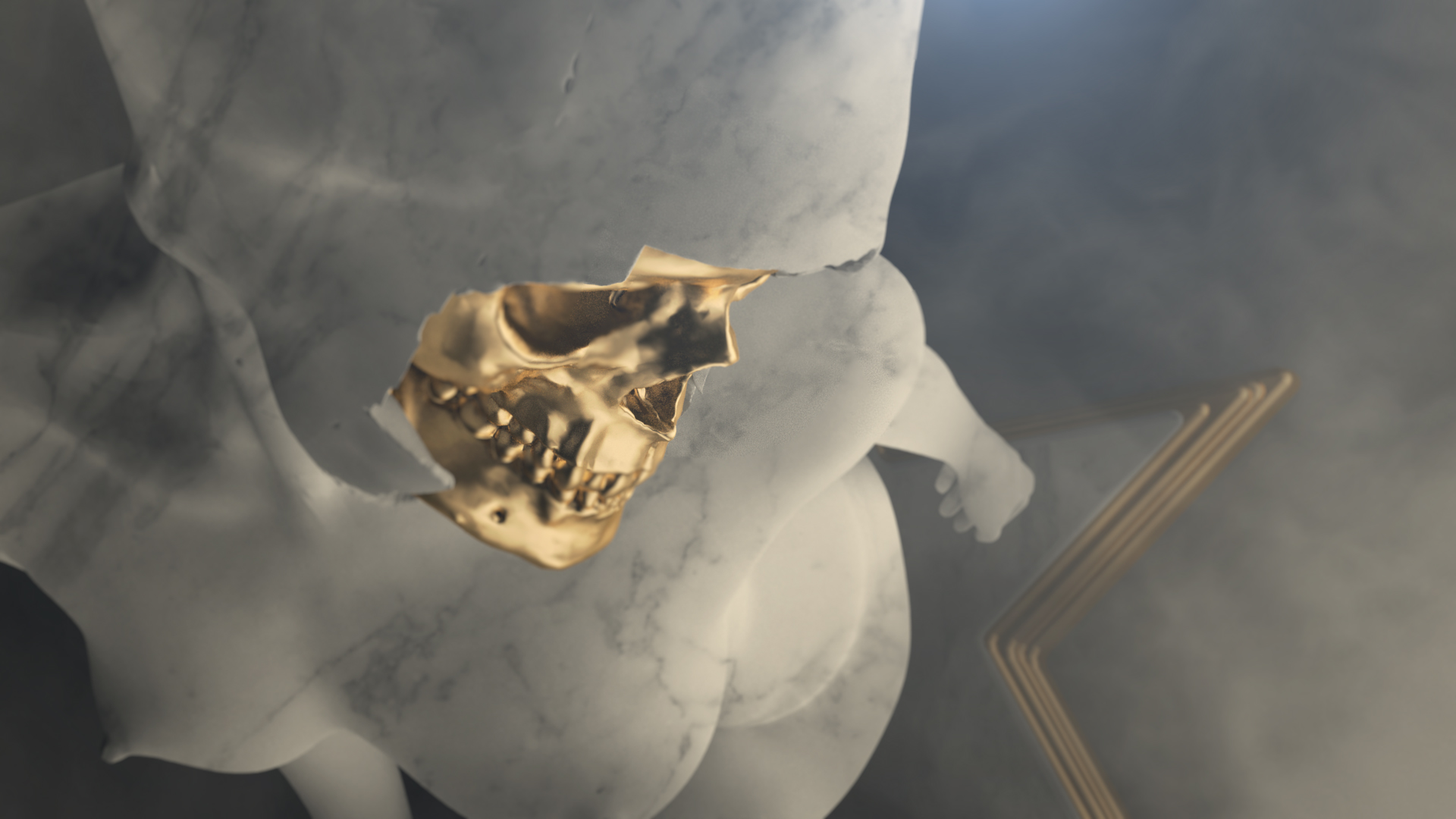
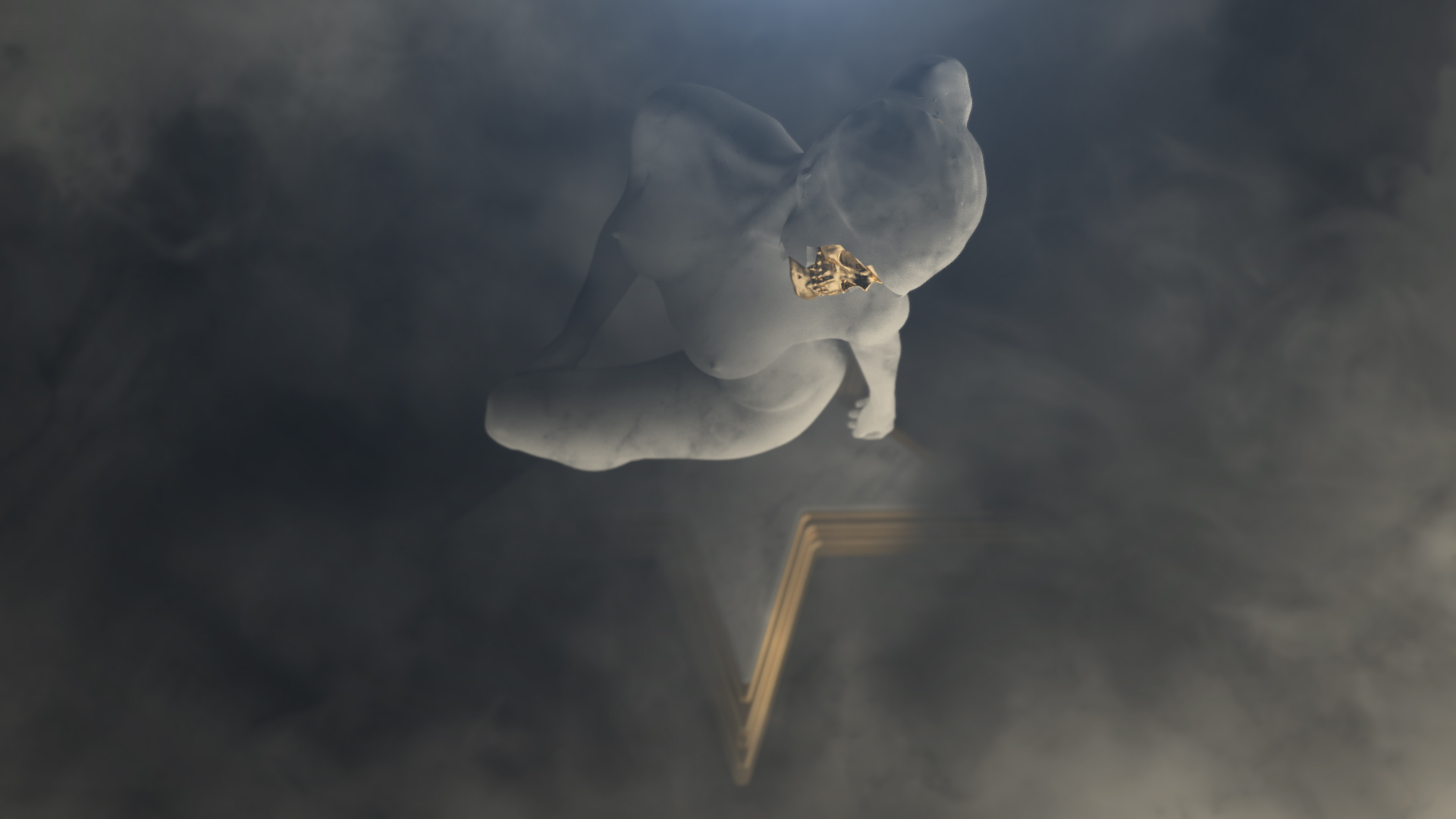
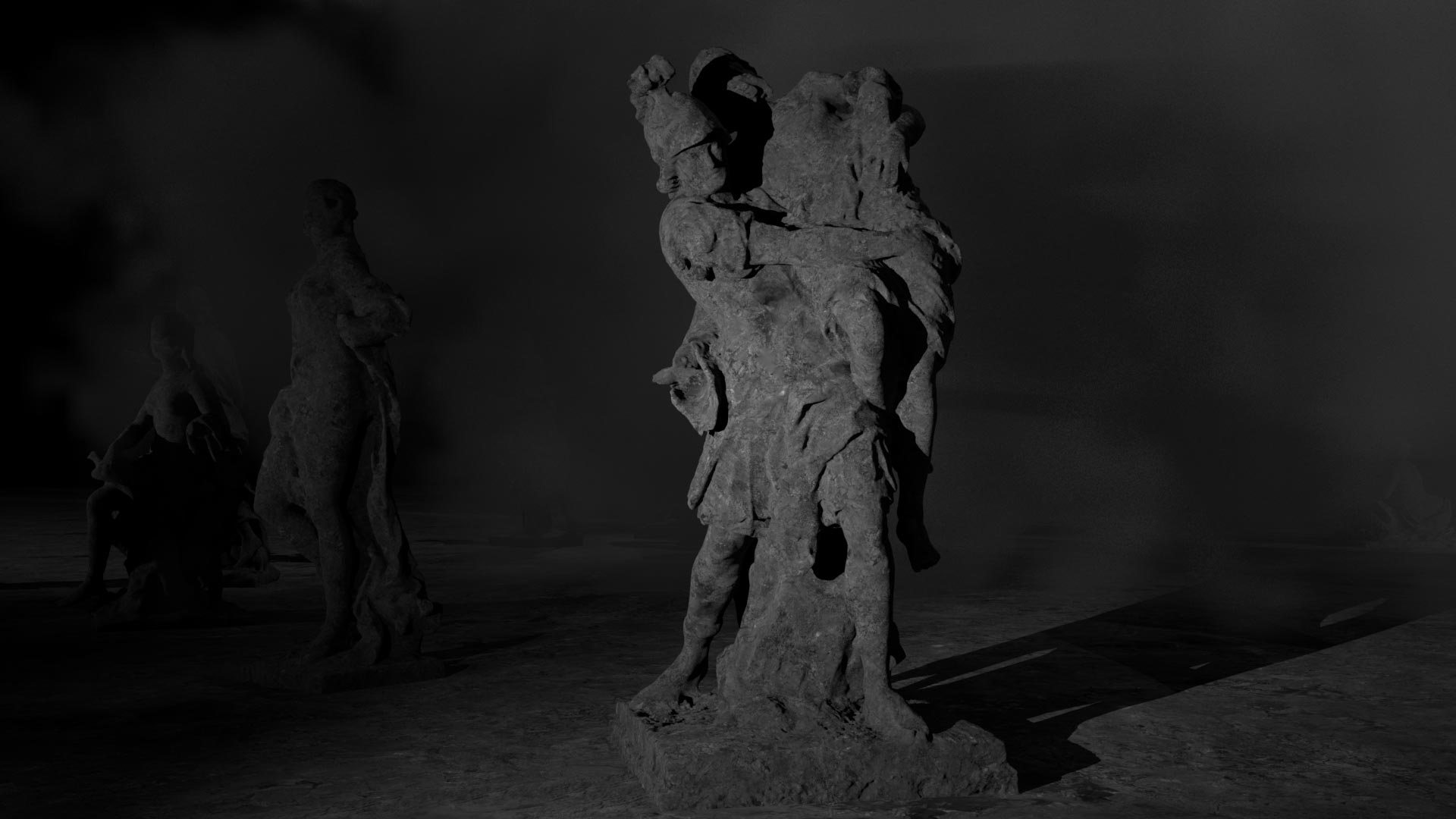
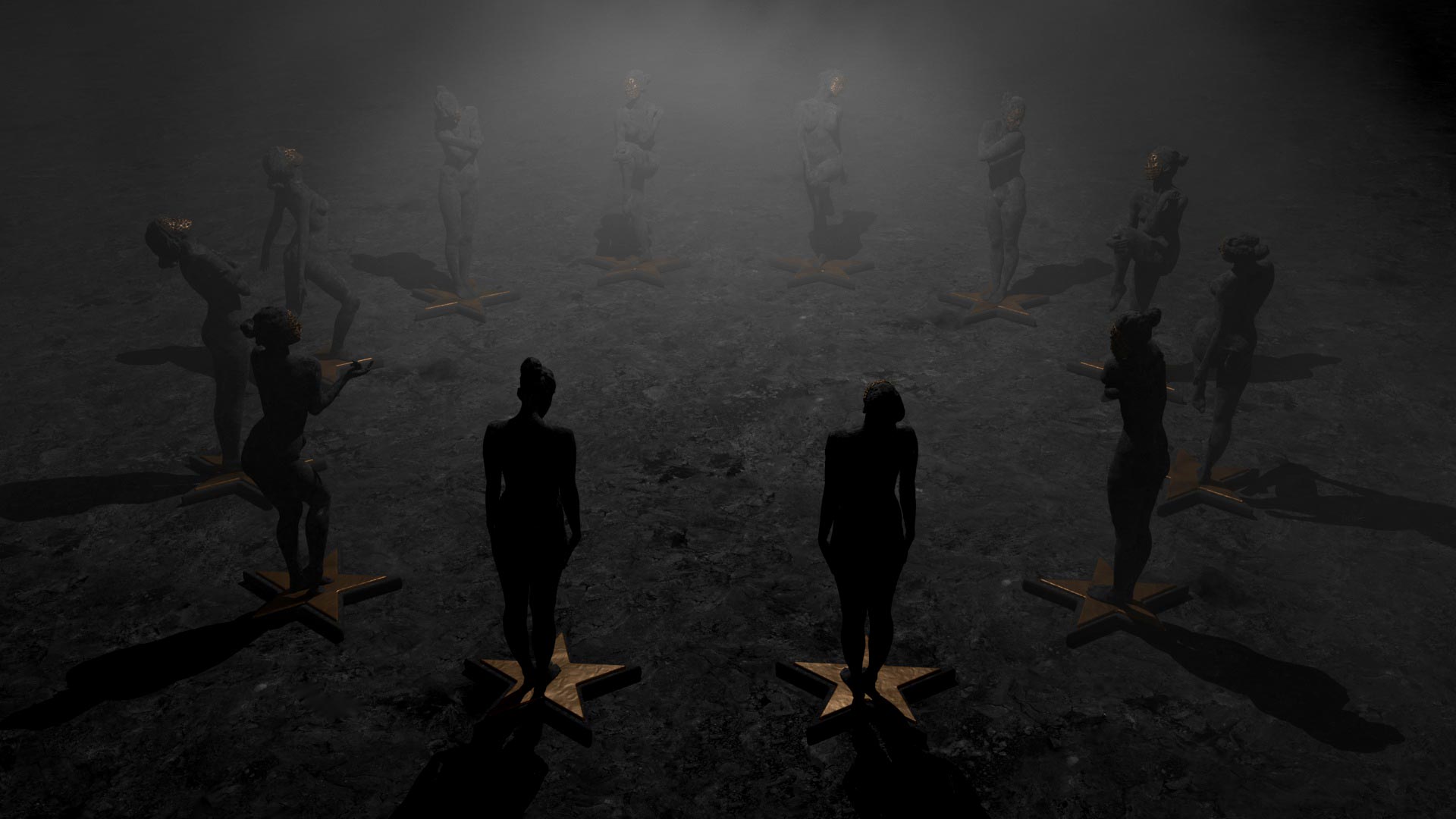
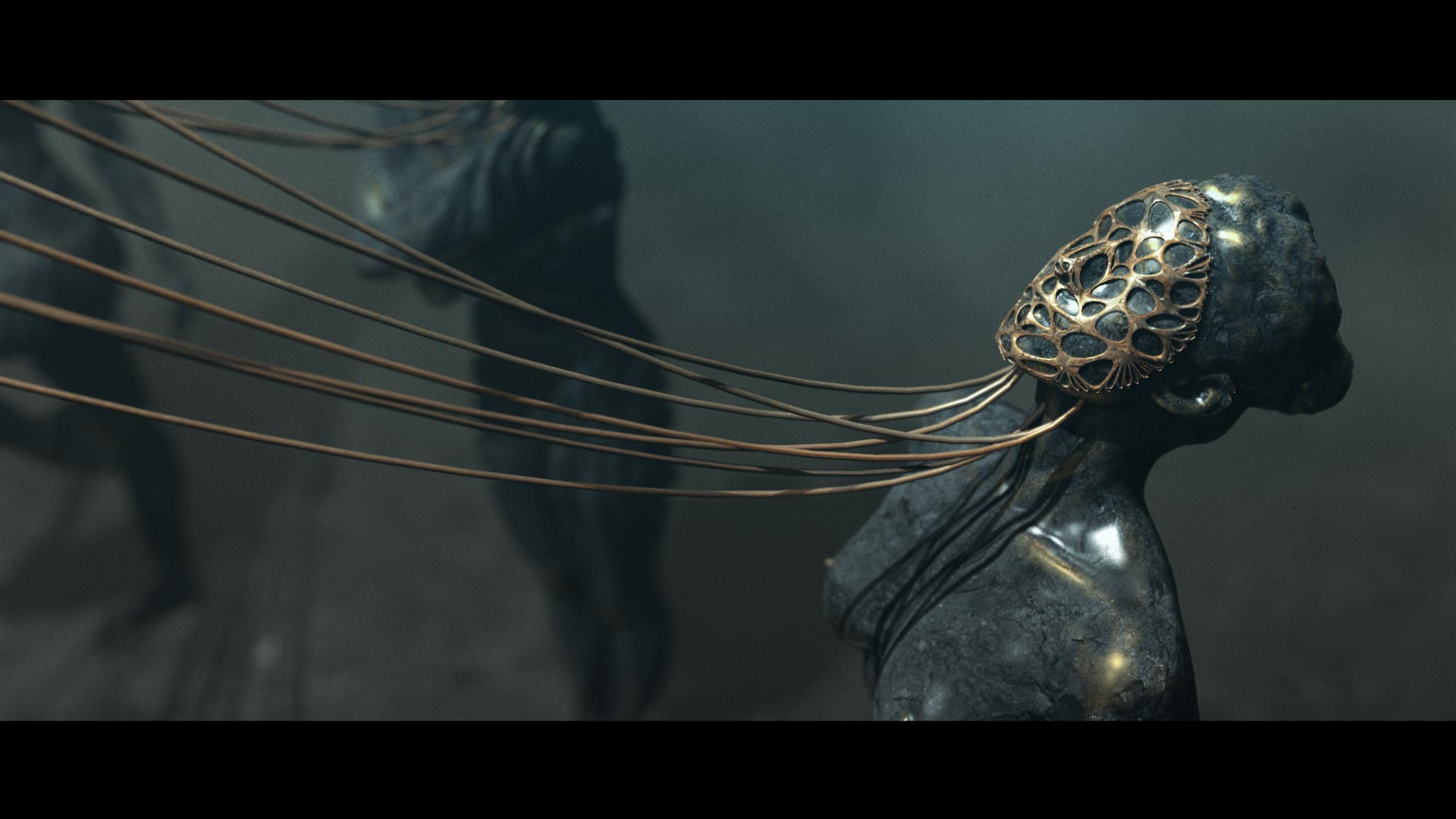
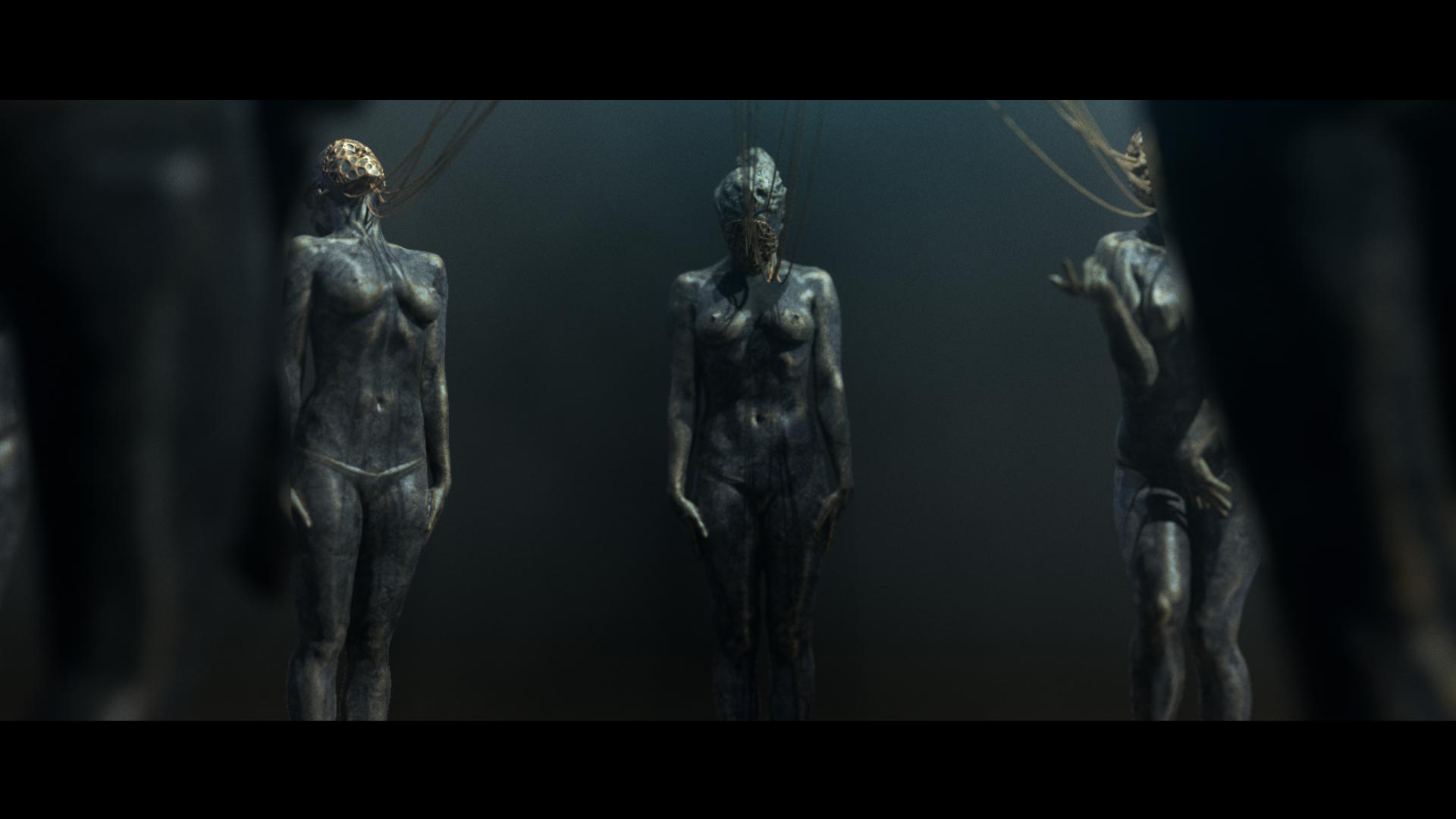
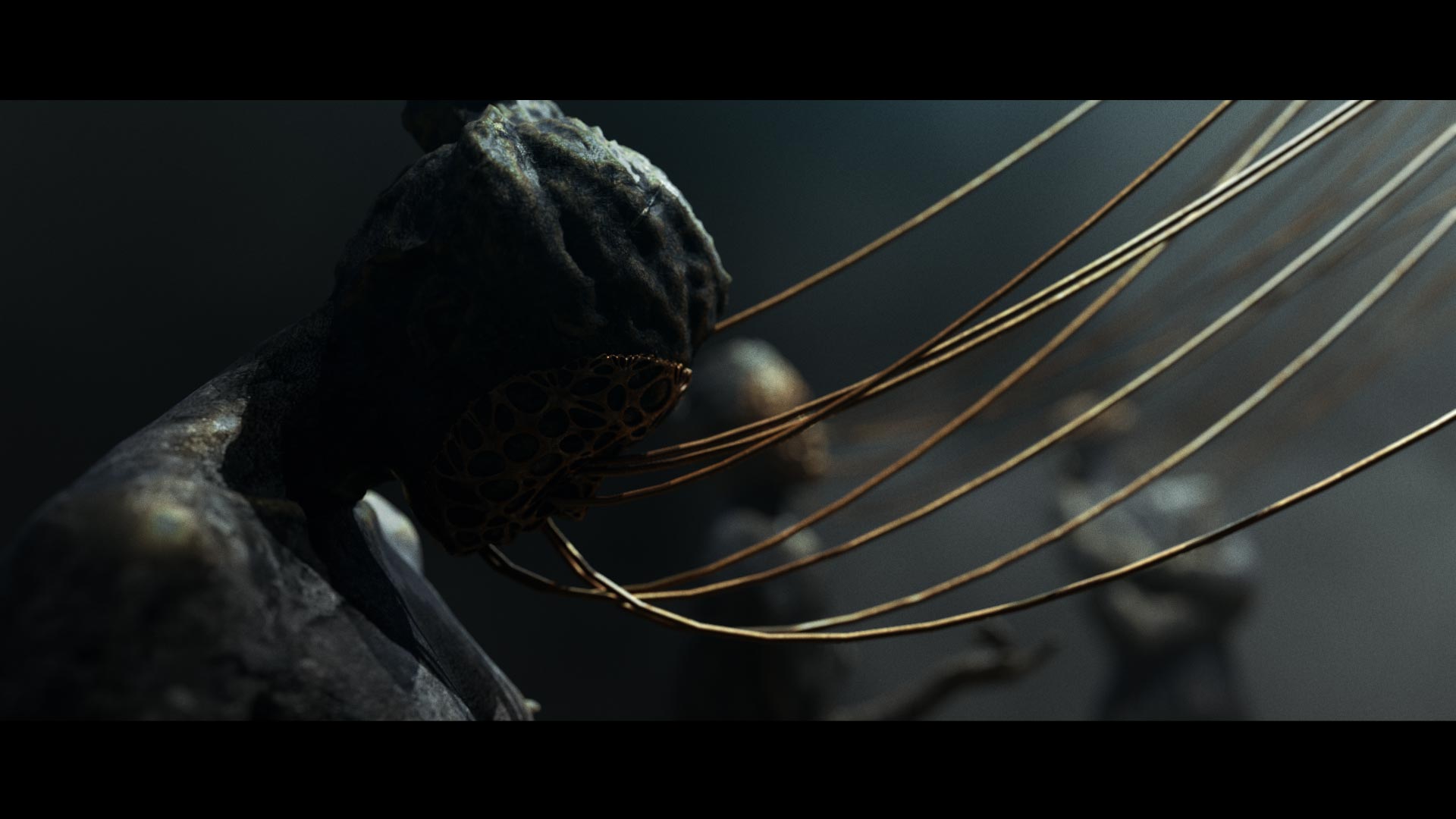
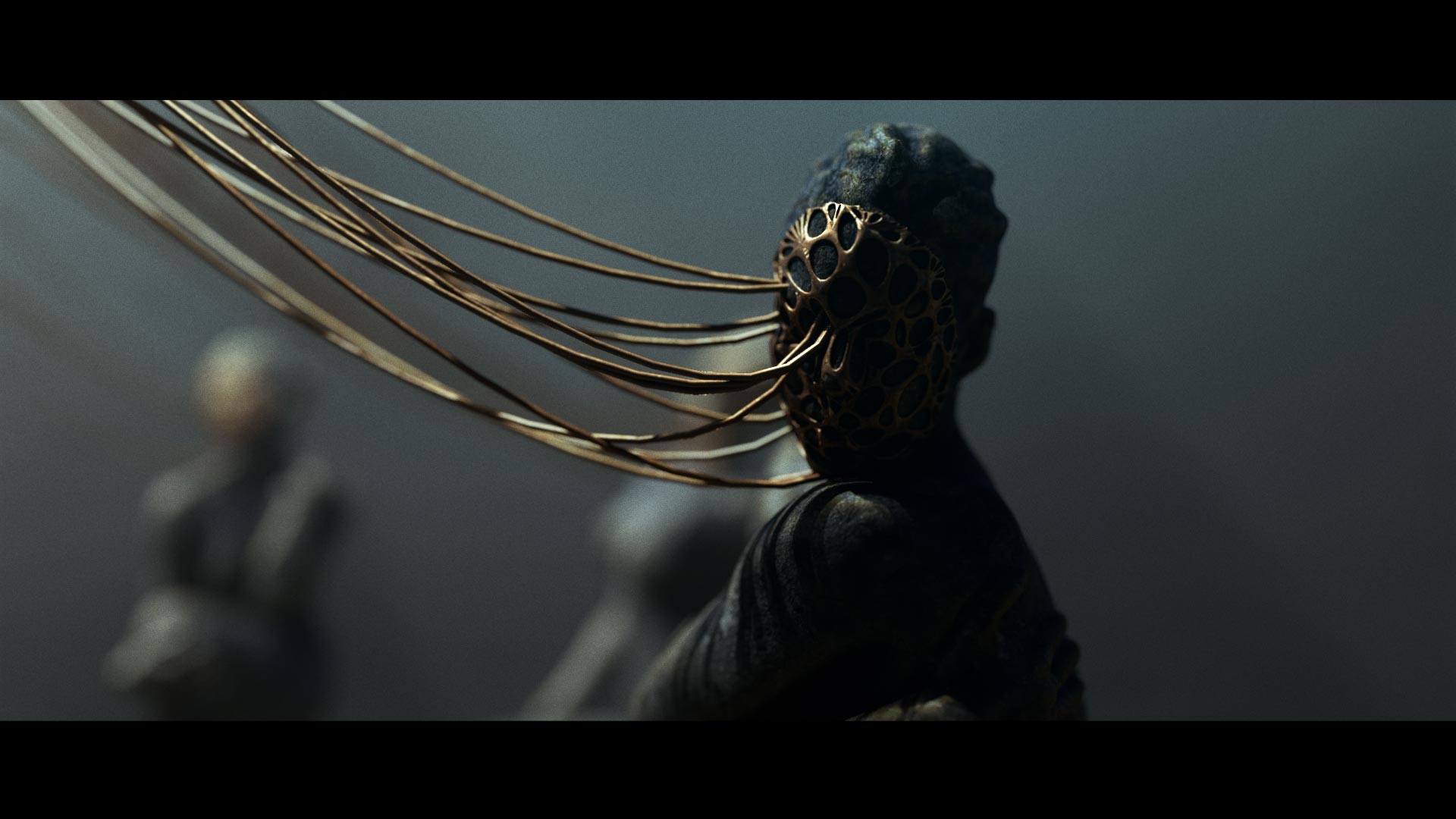
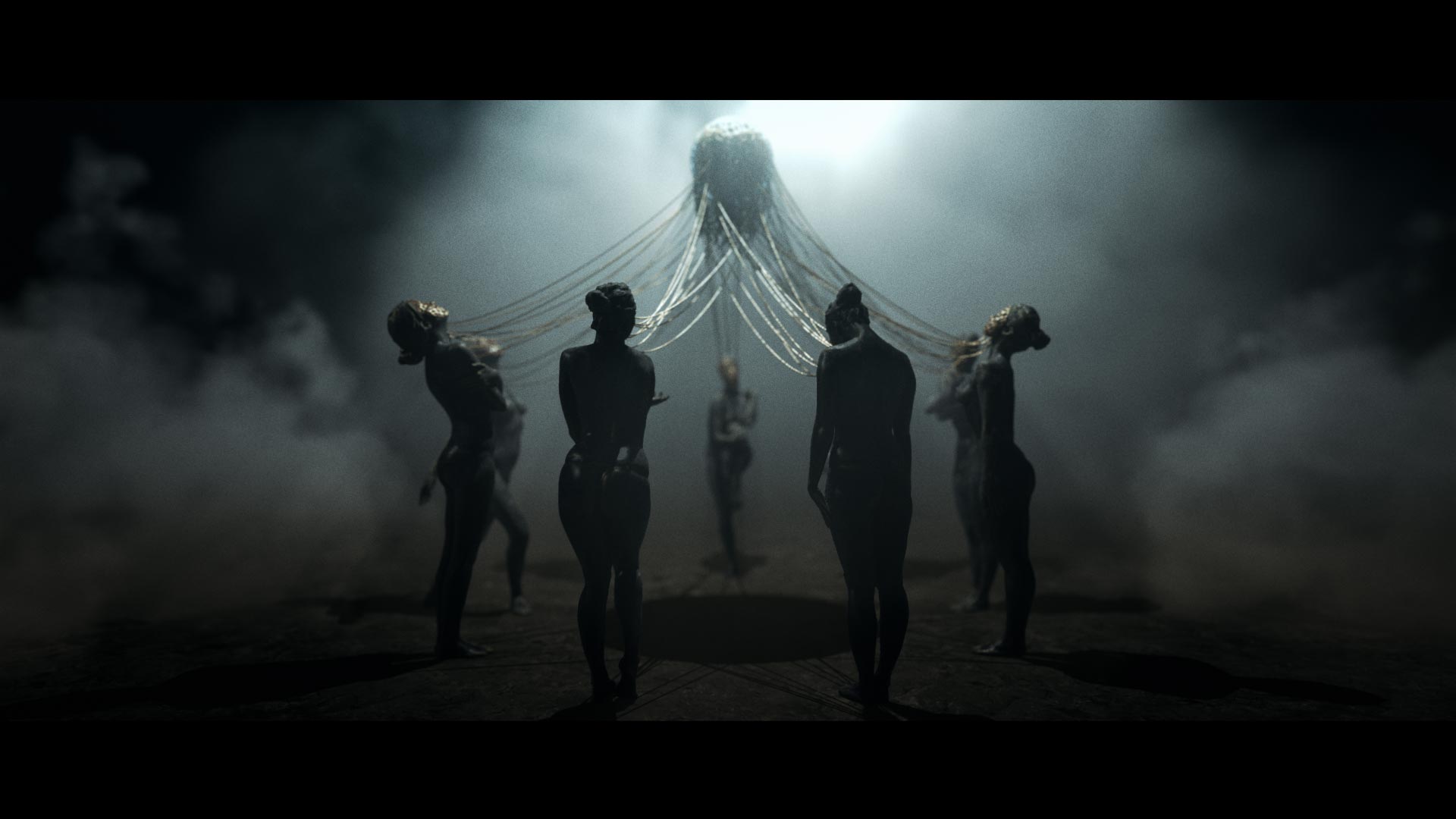
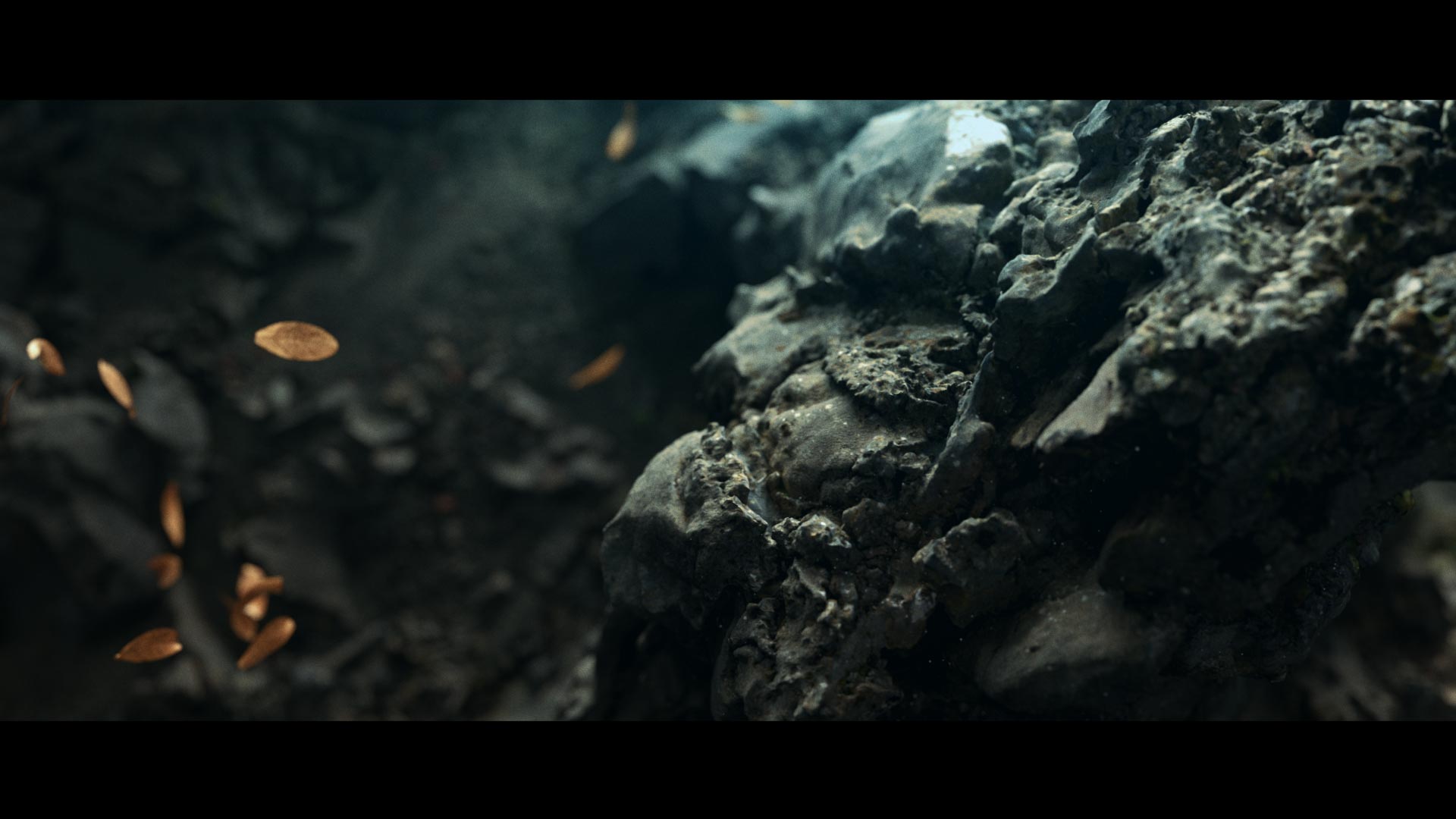
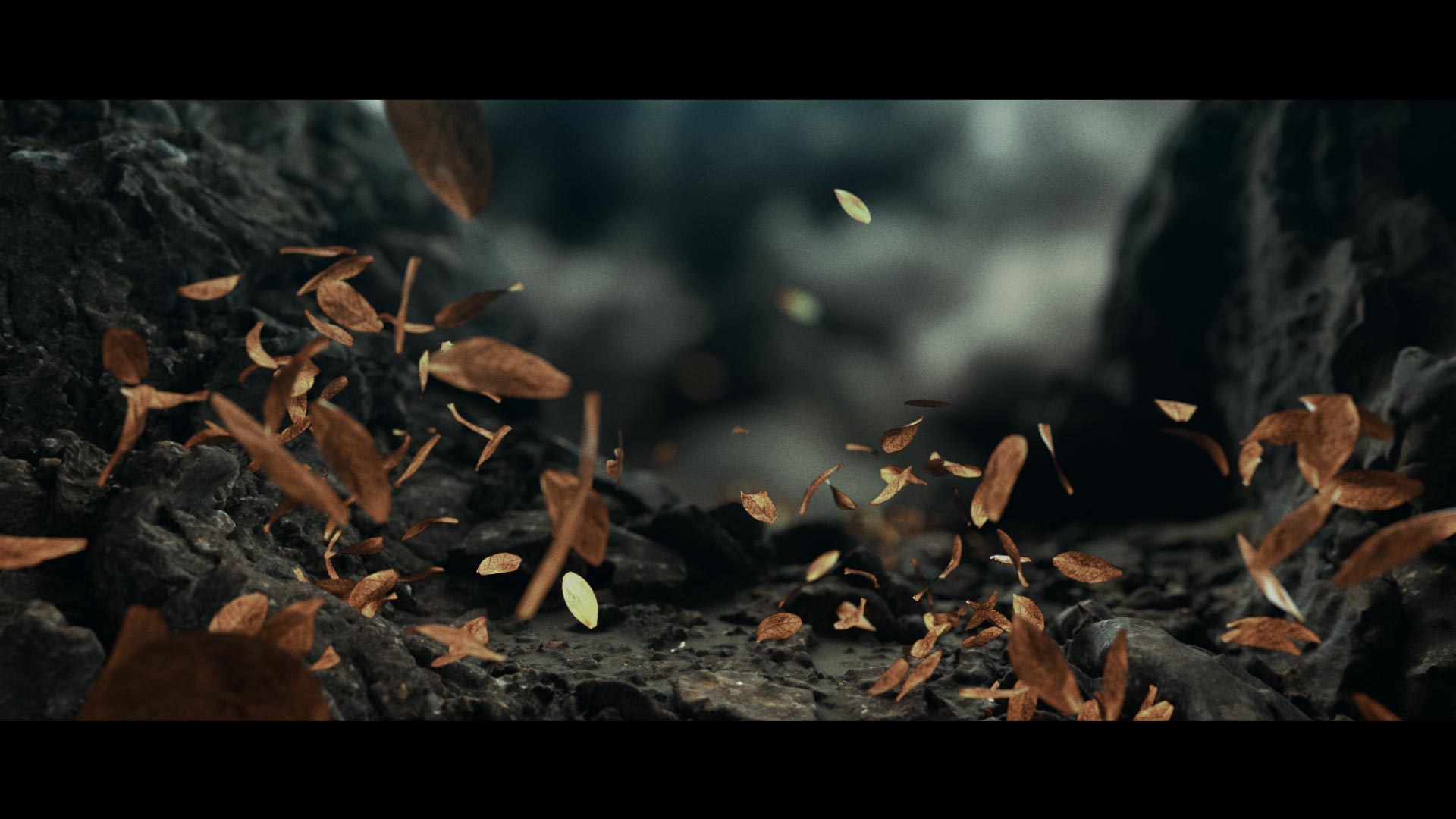
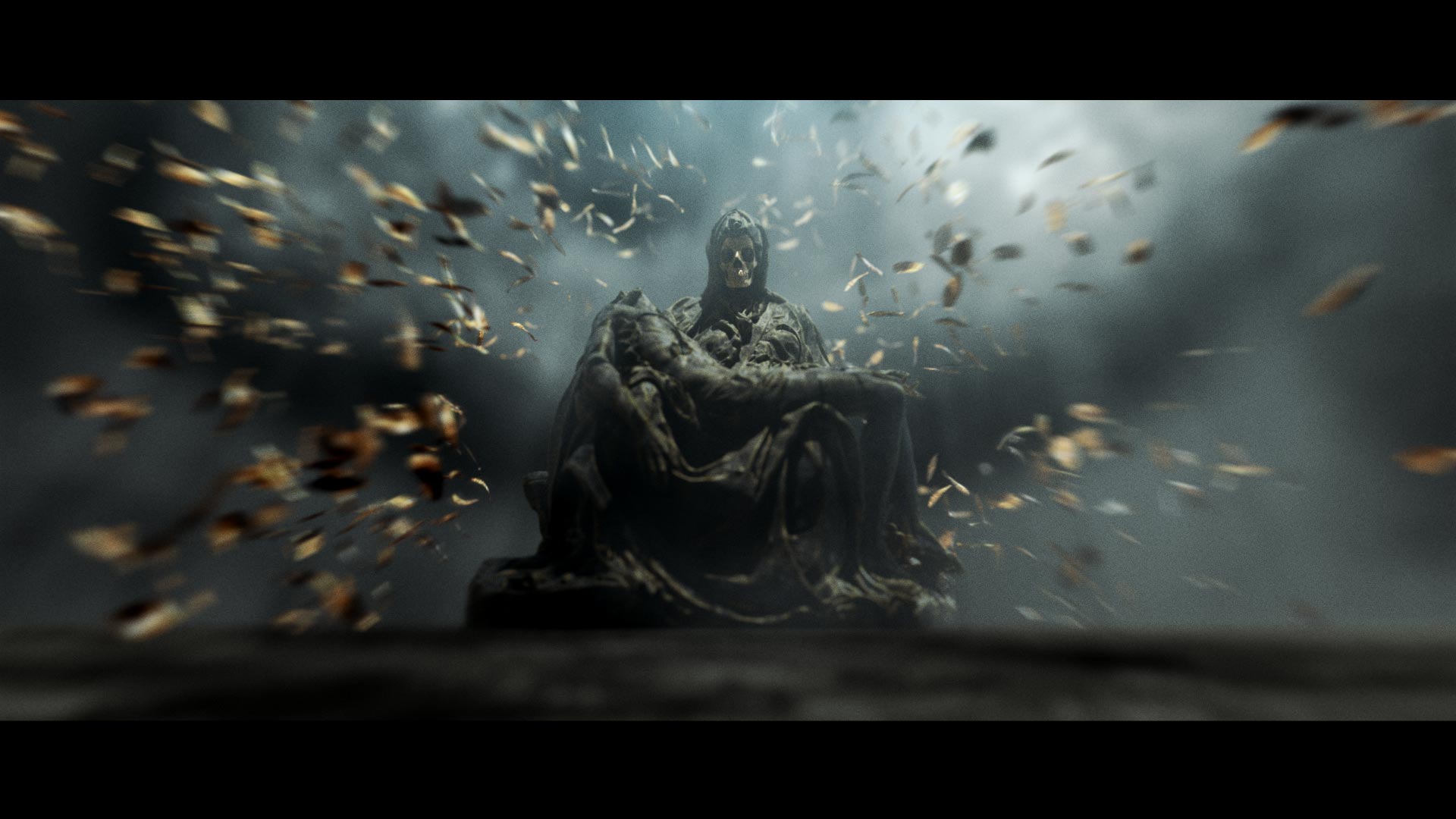

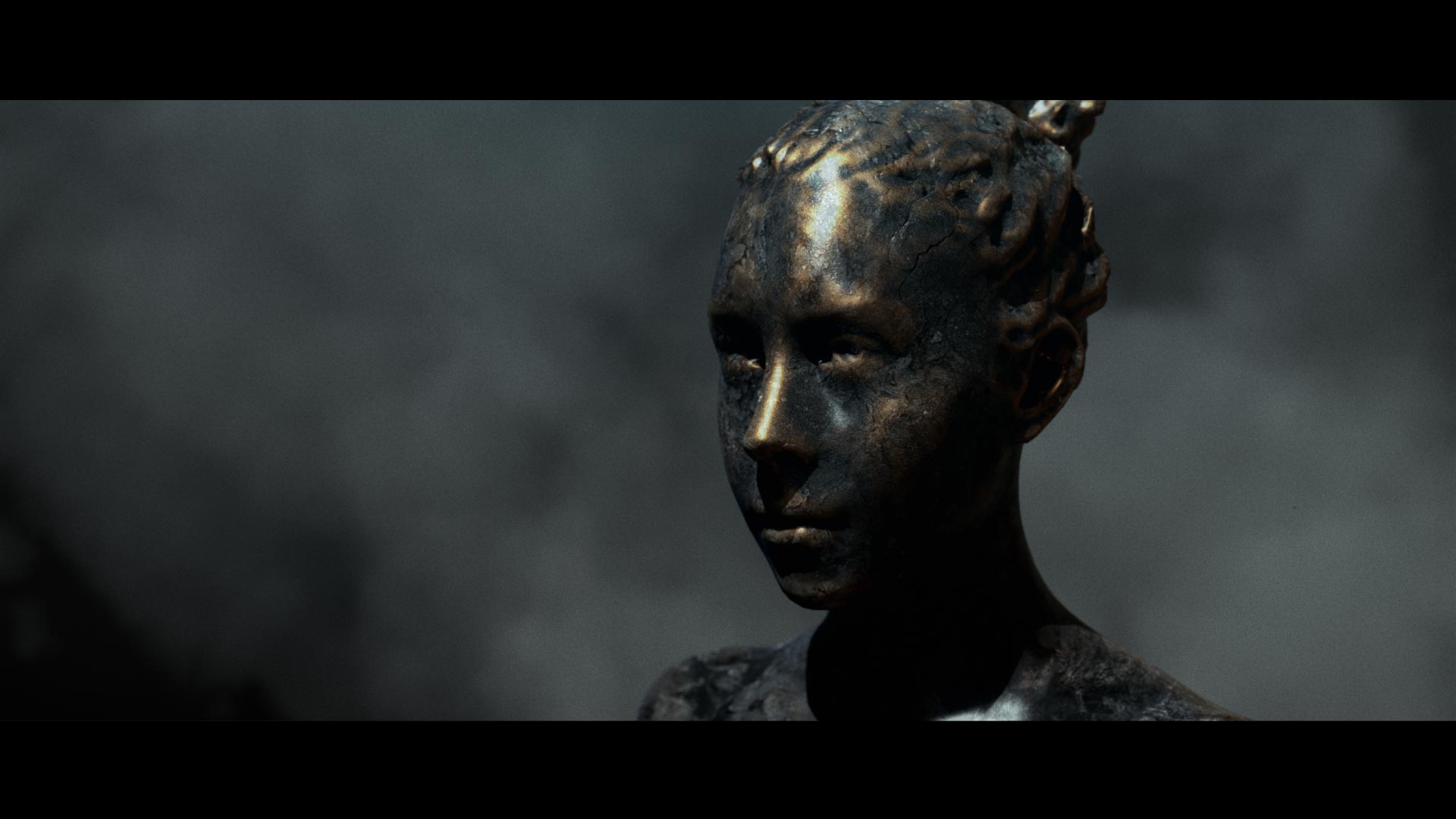
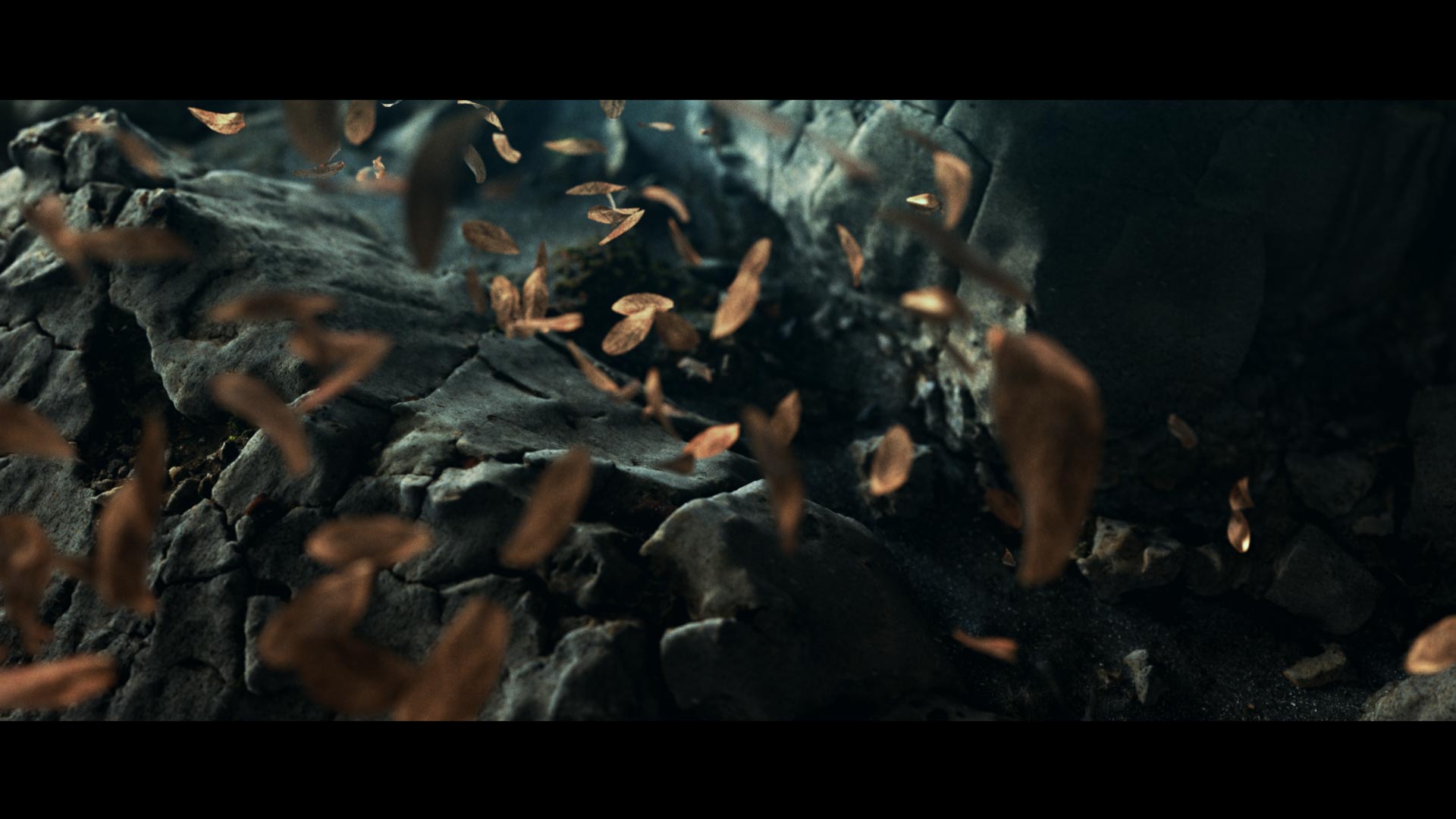
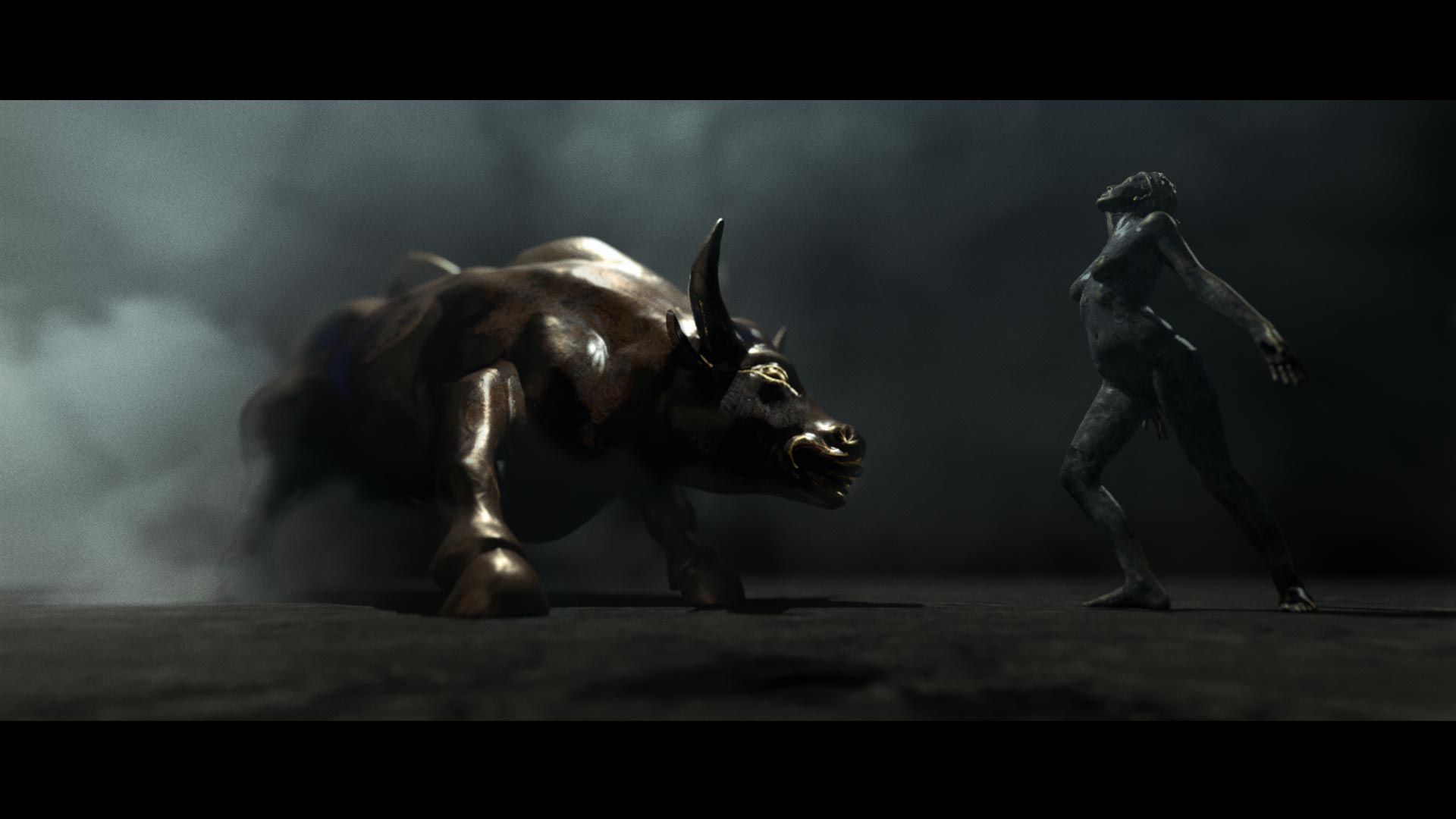
This is not a nostalgic return to myth, nor an escape into symbolism. Rather, it is a confrontation — a deliberate act of reactivation. By invoking a story that has traveled across centuries, Blay reveals how myths continue to speak, not as relics of the past but as frameworks through which we interpret crises today. In his work, the bull is not only Zeus but also the seductions of power. Europa is not only a maiden but a continent in flux.
The Rapture of Europe is designed to be flexible in form, adaptable to diverse contexts: a single-channel projection for gallery settings, a multi-screen loop for institutions, or a full-scale immersive environment for festivals. This adaptability ensures the work can be experienced at different scales while retaining its impact.
In many ways, Blay’s approach aligns with the traditions of video art and moving image installation while remaining distinct. He combines the aesthetic sophistication of digital media with the narrative weight of classical storytelling. His practice is at once cinematic and painterly, critical and poetic.
Ultimately, The Rapture of Europe positions the viewer as interpreter. Standing within its fragmented narrative and enveloping sound, the audience must make connections, trace parallels, and wrestle with ambiguity. Is Europe’s rapture a collapse, a seduction, or a transformation? Blay offers no answers, only an allegorical space in which the questions themselves become urgent.
In an era of fractured identities, contested borders, and ideological seductions, The Rapture of Europe invites us to look again at myth not as distant fable but as living mirror. What is being abducted is not only a continent but the very idea of Europe — its memory, its meaning, its future.
MORE INFO ABOUT JM BLAY: WWW.JMBLAY.COM
CONTACT: HELLO@JMBLAY.COM